
Pilates for Back Pain: What the Evidence Says
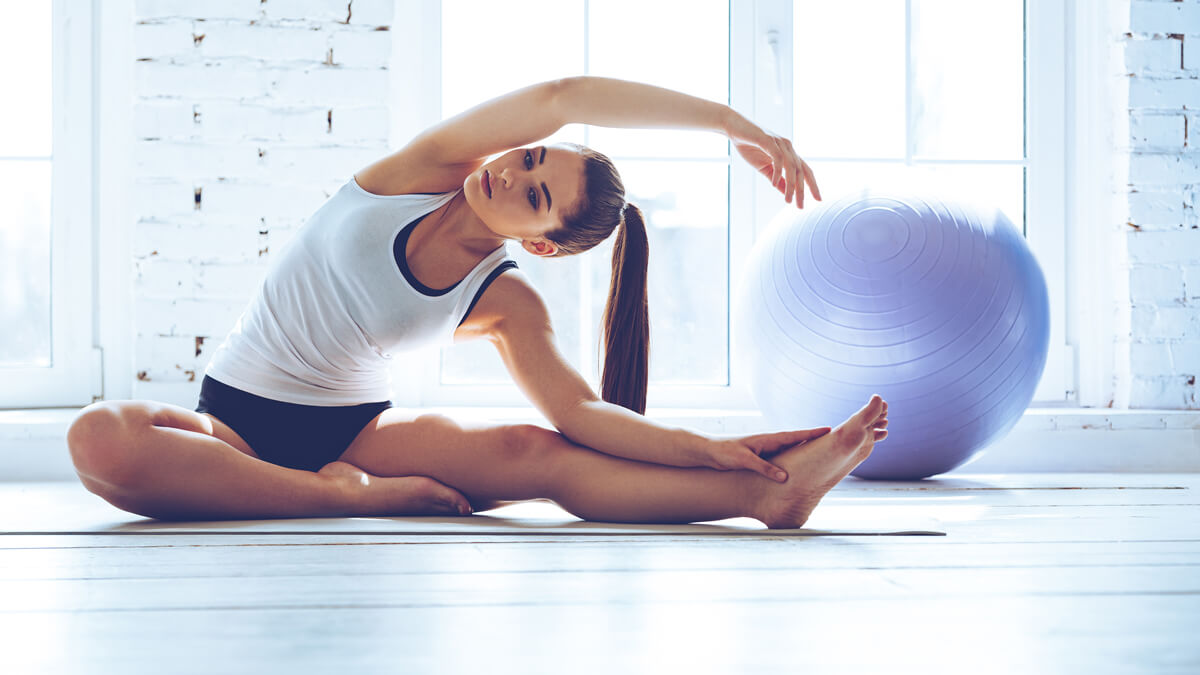
Pilates is one of the most frequently recommended forms of exercise for a sore back, but does it actually work, and if so, why? This guide looks honestly at what the research shows, explains how building control through the core affects back pain, highlights the kinds of movement that matter most, and talks about what to do during a flare. It is written to complement our back pain treatment information, so you can see where a form of exercise like Pilates fits within sensible, evidence-based care for your back.
A note on honesty up front: Pilates is genuinely useful for many people with back pain, but it is not a magic cure, and the evidence, while positive, is more measured than the enthusiasm around it sometimes suggests. Understanding the real, honest picture helps you use it well.
What the Research Shows on Pilates and Back Pain
The research is reasonably encouraging: for chronic, non-specific low back pain, Pilates can reduce pain and improve function, and it is generally found to be more helpful than doing nothing. Importantly, though, studies also tend to show it is about as effective as other forms of exercise, rather than uniquely superior. So the honest takeaway is that Pilates is a genuinely useful, well-tolerated exercise option for back pain, and much of its benefit comes from being a form of guided, progressive movement that people enjoy and stick with.
Let us start with the evidence, because that is what the title promises and it is where a lot of confident claims quietly outrun the facts. The good news is that the research on Pilates for back pain, particularly ongoing, non-specific low back pain, the everyday kind without a single clear structural cause, is reasonably positive. Reviews of the studies generally find that Pilates can reduce pain and improve day-to-day function, and that it clearly beats doing nothing at all.
There is an important nuance, though, and an honest article has to include it. When Pilates is compared not with inactivity but with other forms of exercise, general strengthening, walking programs, other guided movement, it tends to come out about level, rather than dramatically ahead. In other words, the research supports Pilates as a good exercise choice for back pain, but not as a uniquely magical one. A great deal of its value seems to come from the things it shares with all good exercise for backs: it gets you moving in a controlled, progressive way, it builds confidence, and, because many people genuinely enjoy it and find it sustainable, they actually keep doing it, which is often what matters most. Seen that way, Pilates is a genuinely worthwhile, evidence-supported option, chosen because it suits you, rather than a cure that leaves all other exercise behind.
Why Core Control Changes Back Pain
Pilates emphasises controlled movement and the coordinated use of the deep trunk and core muscles that help support and steady the spine. Rather than simply making these muscles stronger, the benefit seems to come more from improving how well you control and coordinate them, moving with better awareness, timing and confidence. This can reduce the strain and guarding that feed back pain and help you move more freely. It is control and coordination, more than raw core strength alone, that appears to matter.
Pilates is built around the idea of controlled, precise movement powered from a strong, stable centre, and it is worth understanding why that focus can help a sore back, as well as clearing up a common oversimplification. The muscles of the trunk and deep core, the abdominals, the muscles alongside the spine, the pelvic floor and diaphragm, all work together to support and steady the spine as you move.
The tempting story is that back pain is simply caused by a weak core, and that strengthening it fixes everything, but the reality is more subtle and more interesting. Research suggests that the benefit of core-focused exercise like Pilates comes less from brute strength and more from improving control and coordination: learning to use these muscles at the right time, in the right amount, with better awareness of how your body is moving. Many people with back pain move cautiously and guard the area, or lose the easy, coordinated control they once had. Retraining that control through mindful, precise movement can reduce the excessive tension and protective stiffness that feed pain, restore confident movement, and help the spine share load more evenly. So it is not that your core is necessarily weak and needs punishing; it is that better control and coordination of the muscles you already have tends to help, which is exactly what a thoughtful Pilates approach trains.
The Moves That Matter Most for Backs
For backs, the most useful Pilates-style movements are the gentle, controlled, foundational ones rather than advanced or extreme positions. Think pelvic tilts and gentle bridging, controlled core activation with breathing, cat-camel spinal mobility, bird-dog for coordinated trunk control, and easy, supported movements that build awareness and confidence. Quality of movement and control matter far more than difficulty or intensity, and a good instructor tailors and progresses these to suit your back rather than pushing you into demanding exercises too soon.
Not all Pilates is equal where backs are concerned, and the moves that help most are usually the humble, foundational ones rather than the impressive, advanced positions. The theme throughout is control, precision and gentle progression, not difficulty for its own sake.
Foundational movements that suit most backs include gentle pelvic tilts, which restore easy movement to the lower back; controlled activation of the deep core coordinated with steady breathing, which trains the support system without strain; cat-camel, a gentle rounding and arching of the spine that encourages smooth mobility; and bird-dog, where you extend an opposite arm and leg from all fours, which trains coordinated, balanced control of the trunk. Gentle, supported bridging builds strength and control in the back of the hips and spine. What these have in common is that they are done slowly and precisely, with attention to how you are moving, rather than fast or forcefully. The single most important principle is that quality beats quantity and intensity: a few controlled, well-executed movements do far more for a back than many sloppy or over-ambitious ones. A skilled instructor will meet you where you are, tailor these foundations to your particular back, and progress them only as you are ready, which is exactly why guidance matters so much with back pain.
You may also wonder about mat Pilates versus the equipment-based kind done on a reformer. Both can suit backs, and neither is inherently better for pain; the reformer's springs simply offer support and adjustable resistance that can make some movements more accessible or more challenging, while mat work needs no equipment and travels anywhere. Far more important than the format is the quality of the instruction and how well the session is matched to your back. A thoughtful teacher working with you on a mat will do more good than an ambitious class on expensive equipment that pushes you too hard. Equally, group classes can be excellent value once you know what you are doing, but when back pain is the reason you are starting, a few individual or small-group sessions first, so an instructor can watch your movement and adapt it, is a wise investment before joining a larger class.
Pilates During a Flare: Yes or No?
During an acute flare of back pain, the answer is usually to modify rather than stop entirely. Very gentle, comfortable movement is generally helpful and better than complete rest, but a full or demanding Pilates session is best paused until the worst settles. Stick to the gentlest, most comfortable movements, avoid anything that sharply worsens your pain, and be guided by comfort. If in doubt, or if the flare is severe or comes with red-flag symptoms, get it assessed before continuing.
A common and sensible question is whether to keep doing Pilates while your back is in a raw, painful flare, and the answer is a nuanced yes-but rather than a flat yes or no. Modern back care has moved firmly away from complete bed rest, because gentle movement generally helps a flare settle faster than lying still, which stiffens everything up. So the instinct to move gently is a good one.
That said, a full, demanding Pilates class in the middle of a bad flare is usually not the moment. The wise approach is to scale right back to the gentlest, most comfortable movements, easy pelvic tilts, gentle mobility, comfortable positions, and to let comfort be your guide, easing off anything that sharpens the pain. As the flare subsides over days, you can gradually build back toward your usual practice. There are limits to self-managing, though. If a flare is severe, is not settling, or comes with warning signs such as weakness in a leg, numbness around the saddle region, or any change in how well you control your bladder or bowel, that is a reason to seek assessment or, for those bladder and bowel symptoms, urgent care, rather than to push on with exercise. Used sensibly and gently, movement is part of recovering from a flare; used forcefully at the wrong moment, it can set you back, so let comfort and, where needed, professional advice steer you.
How We Blend Pilates Into a Care Plan
At our clinic we focus on hands-on chiropractic and massage care for back pain, and we see Pilates as a valuable complement rather than something we deliver ourselves. Where Pilates would suit you, we are glad to encourage it and to work alongside a dedicated, qualified Pilates studio, coordinating so that your hands-on care and your movement practice support each other. The aim is a joined-up plan: we help settle and manage your back, while well-guided Pilates builds the control and confidence that help keep it well.
It is worth being clear about how this fits with what we do, because honesty about our role matters. Our clinic's focus is hands-on care for back pain, chiropractic treatment and remedial massage, aimed at settling your symptoms, easing muscular tension and helping you move comfortably. We do not run Pilates classes ourselves, and we would rather point you to people who specialise in it than pretend otherwise.
What we do enthusiastically is recognise the value of well-taught Pilates as part of a broader plan and help you access it. For many people with back pain, the ideal combination is hands-on care to calm things down and address the immediate problem, alongside a guided exercise practice, Pilates among the good options, to build the control, strength and confidence that help prevent the next episode. Where that suits you, we are happy to recommend a dedicated, qualified Pilates studio, such as Elysium here in Canberra, and to coordinate so that the two strands work together rather than in isolation. This joined-up approach, hands-on care from us and skilled movement instruction from a specialist studio, tends to serve people far better than either piece alone, and it reflects a simple principle: we point you toward what genuinely helps, whether or not we provide it ourselves.
Realistic Timeframes for Change
Be realistic and patient: meaningful change from Pilates for back pain usually takes weeks of consistent practice, not days, with many people noticing gradual improvement over roughly six to twelve weeks. Early on you may feel better simply from moving more confidently, while lasting gains in control and comfort build steadily with regular practice. Consistency matters far more than intensity, and progress is often gradual and a little uneven, so judge it over weeks rather than by any single session.
Finally, a word on expectations, because unrealistic timeframes are a common reason people give up too soon. Pilates is not a quick fix, and anyone promising that a session or two will transform a long-standing back problem is overpromising. Like all exercise-based approaches, it works gradually, as your body relearns control, builds a little strength and rediscovers confident movement.
In practice, many people begin to notice worthwhile improvement over a span of weeks, commonly somewhere in the region of six to twelve weeks of consistent practice, though some feel encouraging early changes sooner, often from simply moving more freely and with less fear. The deeper, more lasting gains in control and comfort accrue steadily with regular practice rather than arriving all at once. The single biggest factor in whether Pilates helps your back is consistency: a moderate amount done regularly beats an intense burst followed by nothing. Expect progress to be gradual and a little bumpy, judge it over weeks rather than days, and give it a fair, patient trial. Approached that way, as a steady, sustainable habit rather than a rapid cure, Pilates earns its place as one genuinely useful part of looking after a back, and pairing it with sensible hands-on care gives you the best of both.
Hands-On Care, Plus the Right Movement
We can assess and treat your back, then help you build a sensible plan, including guided exercise like Pilates at a dedicated studio, to keep it well. Reach our Weston clinic to get started.
Book an Assessment Back Pain CareDisclaimer: This article is general, evidence-focused information, not personalised advice, and exercise is not one-size-fits-all. Seek assessment for a severe, worsening or red-flag back problem before starting or continuing exercise. Our clinic provides hands-on care and can recommend a dedicated Pilates studio; we do not run Pilates ourselves. Chiropractic in Australia is regulated by AHPRA.