
Cupping Therapy in Canberra
Among the treatments we offer to loosen stubborn, tight muscles, cupping is one of the more curious-looking. Instead of pressing down into the tissue, small cups create a gentle suction that lifts it, which many people find a strangely pleasant way to ease tension. Here is what cupping actually does, what those famous circular marks really mean, and where it genuinely helps, explained plainly and without the hype.
Standalone or added to a massage · (02) 6288 6711
What Is Cupping Therapy?
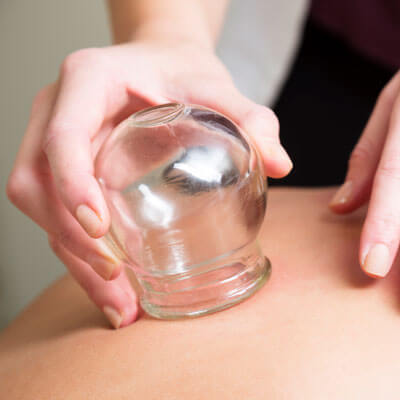
Cupping therapy uses small cups placed on the skin to create gentle suction, drawing the tissue up rather than pressing down. It is used to help ease muscular tightness and improve local circulation, and at our clinic we offer dry cupping only.
Most hands-on treatment works by pushing into the body, whether that is a thumb into a knot or a palm along a muscle. Cupping does the opposite. A cup is placed against the skin and the air inside is drawn out, creating a suction that gently lifts the skin and the soft tissue beneath it up into the cup. That upward pull is the whole idea, and it produces a very different sensation from any kind of pressure massage, one that most people find surprisingly relaxing once they have got used to the novelty of it in the first minute or two.
Cupping has a long history, with roots in traditional Chinese and Middle Eastern medicine going back centuries, and you may have seen the circular marks on athletes and swimmers at big sporting events. In a modern massage-therapy setting like ours, though, we use it in a straightforward, down-to-earth way: as a tool for working on tight, overworked muscles and encouraging blood flow to an area, part of a broader treatment rather than a mystical ritual. We keep the claims modest and the technique practical.
There are a couple of different styles, and it is worth being clear which one we do. We offer dry cupping, where the cups simply create suction on intact skin. We do not offer wet cupping, a separate practice that involves small skin incisions, which sits outside what we provide as a massage-based clinic. Everything on this page is about dry cupping, the gentle, non-invasive version, delivered by our qualified therapists.
People come to cupping from all sorts of directions. Some have seen it on a favourite athlete and are curious; some had it once years ago and remember enjoying it; others have simply reached the end of the road with a tight spot that regular massage keeps easing only temporarily. Whatever brings you in, there is no need to have any prior knowledge of it. Your therapist will explain what they are doing as they go, and cupping is easy to try on a small scale first to see how your body takes to it before committing to more.
How Does Suction Cupping Work?
The therapist creates suction inside each cup, usually with a small hand pump or heat, so the cup grips the skin and draws the tissue upward. This decompression is thought to help loosen tight muscle and fascia and encourage fresh blood flow to the area being treated.
The suction is created in one of two common ways. In the method we typically use, the cup is placed on the skin and a small hand pump draws the air out, so you can see the level of suction being set and dial it up or down to comfort. The traditional alternative uses a brief flame to warm the air inside a glass cup before it is placed, and as that air cools it contracts and creates the pull. Either way, the end result is the same: a cup that gently grips and lifts.
What that lift is thought to do is essentially the reverse of a firm massage. Where pressure compresses tissue, the suction decompresses it, drawing the layers of skin, muscle and fascia gently apart. The idea is that this can help free up tight, restricted areas and bring a rush of fresh blood to the spot, which is often why the skin looks pink and feels warm afterwards. The cups may be left still for a few minutes or, with a little oil, glided across the skin for a moving, massage-like effect.
The moving version is worth picturing, because it surprises people who expect cupping to mean lying still with cups stuck to their back. With a little massage oil, the therapist can slide a cup slowly across a broad muscle while it holds its suction, which produces a sensation somewhere between a firm massage stroke and a gentle stretch of the tissue. It is particularly popular across the shoulders and the length of the back, and many people find it the most enjoyable way to have cupping done.
We should be honest that the research on exactly how and how well cupping works is still limited and mixed, and we are not going to pretend otherwise. What we can say is that plenty of people genuinely enjoy it and feel looser and more comfortable afterwards, and that as a gentle, low-risk addition to massage it is a reasonable thing to try. We would rather set that expectation plainly than dress it up as something it is not.
What Do Cupping Marks Mean, and How Long Do They Last?
The round marks cupping can leave are not bruises from impact; they reflect the suction drawing blood toward the surface. They are usually painless, vary from light pink to deeper purple, and typically fade over several days to a week.
Those circular marks are the thing people notice first, and they cause more worry than they need to. They are not bruises in the usual sense, because nothing has struck or crushed the tissue. Instead, the suction draws a small amount of blood from tiny vessels toward the skin's surface, and that is what you see. Unlike a knock or a bump, the marks are generally not tender to touch, and most people are surprised that something that looks so dramatic feels like nothing at all.
How dark they are varies a lot from person to person and spot to spot, and it is not a reliable scorecard of anything. A darker mark does not mean you were more toxic or more unwell, despite what you may have read; it simply reflects things like how much suction was used and how the blood vessels in that area responded on the day. Colour tends to range from a faint pink to a deeper purple, and the marks usually fade over several days to a week as the body reabsorbs the blood, much like any bruise clearing.
It is worth planning around them if you have a big event, a wedding or a beach holiday coming up, simply because they can sit visibly on the skin for a few days. Just mention it and the therapist can go lighter or choose their spots. If you would like the science of the marks explained in more detail, our blog on cupping marks explained covers it thoroughly.
What Are the Benefits of Cupping?
People use cupping to help loosen tight, stiff muscles, ease areas of tension, and encourage local blood flow. Many find it a comfortable, oddly relaxing complement to hands-on massage. We describe it honestly as a helpful adjunct, not a cure for any condition.
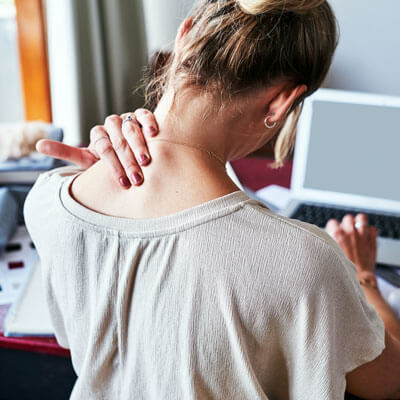
Where cupping earns its place is as part of treating tight, overworked muscles. Drawn up under gentle suction, a stubborn, stiff area can start to feel looser and less guarded, and the increased blood flow leaves the spot feeling warm and eased. Many people particularly like it across the upper back and shoulders, where desk-bound tension tends to gather, and along the lower back after it has been working hard. Used within a session of remedial massage, it adds a different kind of release to the hands-on work.
Beyond the physical, a lot of people simply find cupping relaxing, which is a benefit worth naming in its own right. The steady, static pull of the cups, or the slow glide of a moving cup, can be quietly soothing, and stepping off the table feeling calmer and less wound-up is a genuine part of the appeal. For anyone whose day-to-day complaint is stiff, knotted muscles, adding cupping as a muscle tension treatment can be a pleasant and genuinely useful extra.
We do want to keep both feet on the ground about what cupping can and cannot do. You may see it promoted as a way to draw out toxins, cure illnesses or fix problems far removed from muscles, and there is no good evidence for those bigger claims. We treat cupping for what the sensible view supports: a comfortable, low-risk technique that can help with muscular tightness and local circulation, sitting alongside massage rather than replacing proper care for anything medical.
Does Cupping Hurt?
Cupping should not hurt. Most people feel a firm pulling or tugging sensation as the cups draw the skin up, which is unusual at first but generally comfortable and often quite relaxing. The suction is always adjusted to what feels right for you.
Cupping is not a painful treatment, and if it ever were, something would be set too strong. The sensation is quite unlike a massage: rather than pressure pushing in, you feel a firm pull or tug as the skin and muscle are drawn up into the cup. The first time, that upward grip can feel a little odd simply because it is unfamiliar, but the great majority of people settle into it quickly and find it comfortable, even pleasantly so once they relax.
Because the suction is adjustable, the experience is very much in your hands. The therapist sets it to a level that feels firm but easy, checks in with you, and can ease it off in a moment if a particular spot feels too intense. There is no need to grit your teeth through anything, and we would always rather run the suction a touch gentler and keep you comfortable than chase a stronger pull for its own sake.
Afterwards, the treated area may feel a little tender or warm for a day or so, in the same way a good firm massage can leave you slightly sore the next day. It eases by itself within a day, helped along by moving gently and drinking plenty of water. The marks, as we have said, look far more dramatic than they feel, and they are not a sign that anything has gone wrong.
Is Cupping Safe? Risks and Who Should Avoid It
Dry cupping is generally very safe in trained hands. The main effects are temporary marks and occasional mild soreness. It is not suitable for everyone, though; certain skin conditions, some medical situations and pregnancy mean cupping may need to be avoided or adjusted, so we always check first.
For most healthy people, dry cupping carries little risk, and the effects to expect are minor and short-lived: the circular marks, sometimes a little tenderness, and occasionally slightly itchy or irritated skin where the cups sat. Serious problems are rare with the gentle dry cupping we practise, particularly compared with wet cupping, which we do not offer. Our therapists work within their scope, keep everything clean, and adjust the technique to the person in front of them.
That said, cupping is not right for everyone, and part of doing it responsibly is knowing when to hold back. We take care around fragile or broken skin, areas of inflammation, and conditions that affect the skin or bleeding, and there are medical situations, including some blood-thinning medications and certain health conditions, where cupping may not be appropriate. If you are pregnant, we will be especially careful about whether and where it is used.
People who bruise very easily, or who are on medication that thins the blood, are worth a special mention, because the marks can be more pronounced and slower to fade for them. That does not automatically rule cupping out, but it is exactly the kind of thing your therapist wants to know before starting, so the suction and the choice of areas can be adjusted accordingly. None of this is meant to alarm you; it is simply the ordinary, sensible care that any good practitioner takes.
Dry Cupping at Our Clinic (We Do Not Offer Wet Cupping)
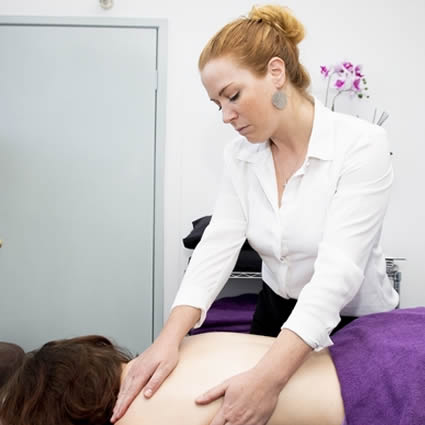
At our clinic we offer dry cupping only, the gentle, non-invasive style that uses suction on intact skin. We do not provide wet cupping, which involves small skin incisions. You can add dry cupping to a massage session or book it as a standalone treatment with our therapists.
To be completely clear about what you are booking: everything we do is dry cupping. The cups create suction on unbroken skin, nothing pierces or cuts the skin, and there is no bloodletting involved at any point. Wet cupping, sometimes called hijama, is a separate practice that deliberately draws a small amount of blood through tiny incisions, and it is not something we offer or are set up for. If that is specifically what you are looking for, we are not the right clinic, and we would rather tell you that up front.
Within dry cupping, we keep things flexible. Many people have it woven into a massage session, where the therapist uses the cups on one or two areas as part of a broader treatment, which is often the most useful way to include it. Others prefer to book cupping as the focus of the appointment. Either works, and if you are not sure which suits you, just say so when you book and we will guide you.
Because cupping here is delivered by our massage therapists as part of soft-tissue care, it fits naturally alongside the rest of what we do, from massage to chiropractic. If a session suggests your problem needs more than cupping can offer, we will happily point you toward whatever genuinely fits, whether that is focused massage work or an assessment with one of our chiropractors. It is one useful tool among several, not a stand-alone answer to everything.
On the practical side, there is very little to organise. Wear or bring loose clothing, since the treated area may feel warm afterwards and you will want the marks to breathe rather than sit under something tight. Allow a little time so you are not rushing off, and plan to drink some water and move gently for the rest of the day. Beyond that, cupping asks nothing special of you, and you can go straight back to normal life once you leave, marks and all. It is worth avoiding a very hot sauna, a hard training session or a long stint in strong sun on the same day, simply because the treated skin is a little more sensitive than usual, but ordinary daily activity is completely fine.
Try Cupping on Its Own or as Part of a Massage
Curious to give cupping a go? You can book it as a standalone treatment or simply ask your therapist to include it in a massage session. Reserve a time online whenever it suits, or talk it through first with our friendly reception team on (02) 6288 6711.
1/43 Brierly St, Weston ACT 2611 · free 2 hour parking directly opposite