
Mild Scoliosis: What It Means and What to Do
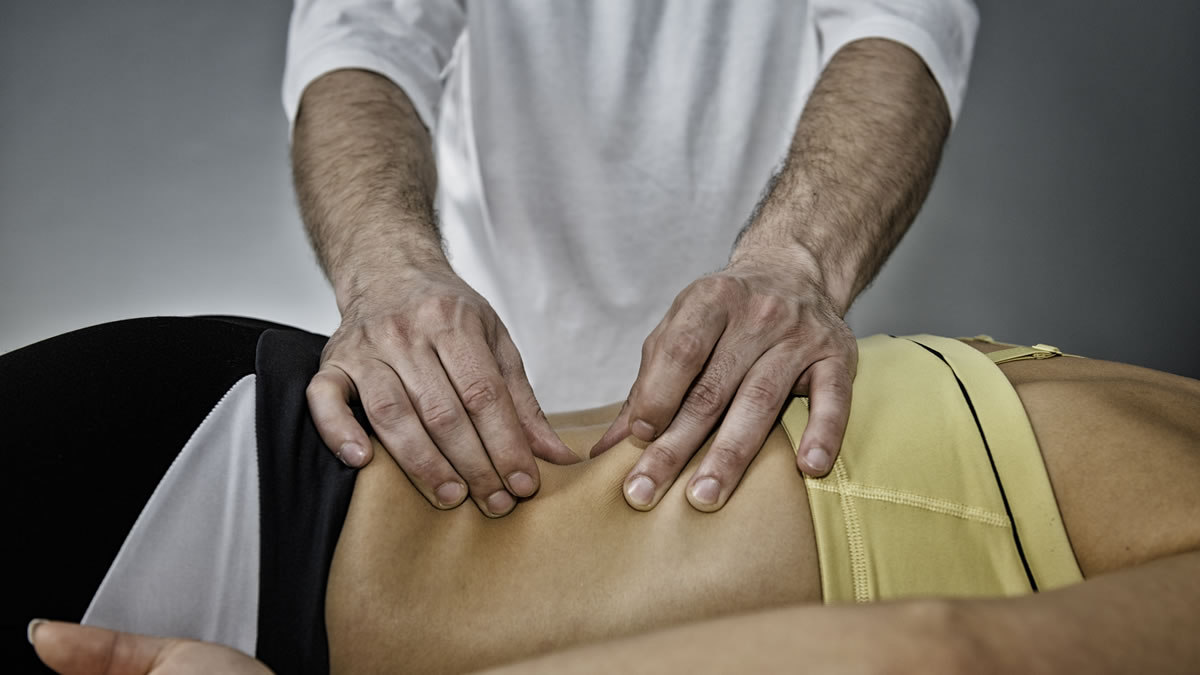
Being told you or your child has a mild scoliosis can sound frightening, but in most cases it calls for calm monitoring and sensible habits rather than alarm. This guide explains what mild actually means, whether a small curve is likely to worsen, the truth about braces, how often to re-check, and the exercise and posture work that genuinely helps. If you would like a professional scoliosis assessment to establish where things stand, we are glad to help, and if the person affected is an adult you may also find our adult scoliosis signs guide useful.
The single most important message is proportion. A mild curve is common, usually causes little or no trouble, and rarely needs dramatic intervention. Knowing the facts helps you respond sensibly, neither ignoring it nor treating a small curve as a crisis.
What Counts as Mild Scoliosis (Cobb Angle Under 20 Degrees)
Scoliosis is measured on a standing X-ray using the Cobb angle, and a curve is generally classed as mild when that angle is under about twenty degrees. Below ten degrees is usually considered a minor spinal asymmetry rather than true scoliosis. Mild curves in this range are common, frequently cause no symptoms, and in most cases simply need periodic monitoring rather than active treatment, with the exact plan depending on age and growth.
To make sense of a mild diagnosis, it helps to understand how scoliosis is measured, because the number is what defines the categories. On a standing X-ray, a radiologist or specialist measures the angle of the curve using a standard method called the Cobb angle, taking the most tilted vertebra at each end of the curve, drawing a line along each, and measuring the angle where those lines would cross. That single figure, in degrees, is the common yardstick for how large a curve is.
By convention, a curve below about ten degrees is regarded as a minor asymmetry rather than scoliosis proper, since small deviations are extremely common and usually meaningless. A curve of roughly ten to twenty degrees is generally called mild. Above that, curves are graded moderate and then severe, with the thresholds guiding how closely they are watched and what, if anything, is done. The reassuring reality is that mild curves, the ten-to-twenty-degree range, are by far the most common, frequently produce no symptoms at all, and in the majority of cases are managed with nothing more than sensible monitoring, especially in adults who have finished growing.
One caution about the number is worth adding, though, because people can fixate on it. The Cobb angle is a useful and standardised measure, but it is not perfectly precise; the same curve measured by two people, or on two different days, can vary by a few degrees simply from how the lines are drawn and how the person was positioned. This is why a single small change on repeat imaging is not necessarily meaningful, and why specialists look for a clear, consistent trend rather than reacting to a two- or three-degree wobble. It is also why your symptoms and how you are functioning matter alongside the figure. A mild curve that causes no bother is a very different situation from one producing genuine discomfort, even at the same angle, and good care weighs both rather than treating the number as the whole story.
Will Mild Scoliosis Get Worse?
Whether a mild curve progresses depends heavily on age and growth. In children and teenagers still growing, a curve can increase during growth spurts, so it is watched closely until skeletal maturity. Once growth is complete, most mild curves stay fairly stable, with only slow change over many years, often driven by later spinal wear. So a small curve is not destined to worsen, and in grown adults it usually remains mild, though monitoring at sensible intervals is still wise.
This is the question that worries people most, and the truthful reply is that it hinges mainly on one thing: whether the spine is still growing. In a child or adolescent who has not finished growing, a curve has the potential to increase, sometimes quite quickly, during a growth spurt, which is exactly why growing children with scoliosis are monitored closely and why the years around puberty matter so much.
Once skeletal growth is complete, the picture changes considerably and becomes much more reassuring. The large majority of mild curves in adults who have stopped growing remain broadly stable, changing only slowly if at all over the years. Where a curve does progress in adulthood, it tends to be gradual and linked to the ordinary wear of the spine over decades rather than to any rapid process. Several factors influence the risk in the growing years, including how much growing is left, the size of the curve at diagnosis and its pattern, which is why a specialist pays close attention to these in young people. For a mild curve, though, especially one in an adult, the most likely future is a stable one, and monitoring exists to confirm that rather than because trouble is expected.
Do You Need a Brace for Mild Scoliosis?
Usually not. Bracing is generally reserved for growing children and adolescents with curves in the moderate range, roughly twenty to forty degrees, or smaller curves that are clearly progressing, where the goal is to stop further worsening during growth. Most mild curves under twenty degrees are simply monitored, not braced. Braces are prescribed and fitted by a specialist and orthotist, not by a chiropractor, and they are rarely used in adults with mild curves.
Braces are one of the most talked-about aspects of scoliosis, so it is worth being clear about when they are actually used, because it is a narrower set of situations than many assume. The purpose of a brace is to prevent a curve from worsening while a child is still growing; it is not generally used to reduce a curve that has already formed, and it has little role once growth is finished.
In practice, bracing is typically considered for growing children and adolescents with curves in the moderate range, commonly cited as around twenty to forty degrees, or for smaller curves that are demonstrably progressing during growth. A genuinely mild curve under twenty degrees, particularly in someone who has stopped growing, is usually monitored rather than braced. It is also important to know who handles bracing: decisions about whether a brace is needed, and the design and fitting of one, sit with a spinal specialist and an orthotist, not with a chiropractor. Our role, where appropriate, is assessment, symptom care and helping you access the right specialist pathway, never prescribing or fitting a brace ourselves. If bracing is ever on the table for your child, it is a specialist conversation, and a modern, well-fitted brace worn as advised can be very effective at its job of limiting progression during the growing years.
It is worth dispelling a common fear here: being offered a brace is not a sign that something has gone badly wrong, nor a punishment for missing an earlier chance. It is simply the tool that fits a particular situation, a growing spine with a curve worth holding steady, and it is used precisely because it works well at that job. Modern braces are far lighter and less conspicuous than the ones older relatives may remember, are usually worn under clothing, and are designed to let a young person keep living a normal, active life. Where one is recommended, the specialist and orthotist will explain how many hours a day it needs to be worn and will review the fit as your child grows. Understanding that a brace is a positive, temporary measure with a clear purpose, rather than evidence of failure, makes the whole prospect far less daunting for families.
Monitoring: How Often to Re-Check
Monitoring frequency depends on age and growth. Growing children and teenagers are typically reviewed every several months to catch any change during growth spurts, often with occasional repeat X-rays kept to the minimum needed. Adults with a stable mild curve are usually checked far less often, perhaps every year or two, or if symptoms change. The aim is to catch meaningful progression early while avoiding unnecessary imaging, so intervals are tailored to the individual.
Because a mild curve is mostly about watchful waiting, knowing how the watching works takes much of the uncertainty out of it. The right interval depends heavily on whether the person is still growing, since that is when a curve is most likely to change. Growing children and adolescents are generally reviewed more frequently, often every few months, so that any increase during a growth spurt is picked up promptly and acted on before it becomes larger.
Repeat imaging in young people is used judiciously, timed to answer a specific question and kept to the minimum necessary, since the goal is to monitor without excessive radiation over the years. For adults who have finished growing and have a stable mild curve, the pace relaxes considerably; a periodic check every year or two, or sooner if symptoms change or a curve looks to be shifting, is usually plenty. Throughout, monitoring is a partnership: a mix of clinical observation of your posture and symptoms, with imaging reserved for when it will genuinely change what happens next. The purpose is simply to confirm stability and catch the uncommon meaningful change early, not to hover anxiously over a number.
A small practical point can make monitoring easier to live with: keep your own simple record. Noting the date of each review, the measured angle if one was taken, and how you or your child were feeling gives you a clear, personal history to look back on, and it often reassures far more than memory alone. It also means that if you move house or change practitioners, you carry the story with you rather than starting from scratch. Between formal reviews, there is usually no need to think about the curve at all; the whole point of an agreed monitoring interval is that it frees you to get on with normal life, secure in the knowledge that anything worth catching will be caught at the next check.
Exercise and Posture Work That Helps
Exercise will not straighten a curve, but it genuinely helps by building strength and endurance in the trunk, maintaining flexibility, easing aches and supporting good day-to-day posture. General activity you enjoy, core and back strengthening, and specific scoliosis-focused exercise programs where appropriate are all worthwhile. The aim is a strong, mobile, comfortable body that copes well with a small curve, rather than any promise of correcting it.
Exercise is where people often have the most questions and, unfortunately, encounter the most overblown claims, so honesty matters here. No exercise regimen straightens a scoliosis or reduces the Cobb angle, and any program promising to do so is overstating what is possible. What exercise genuinely does, and this is well worth having, is build a body that carries a mild curve comfortably and confidently.
Practically, that means several complementary things. Staying generally active with activities you enjoy keeps the whole system healthy and is good for the spine. Strengthening the core, back and hip muscles helps support the spine and reduces the fatigue and aching that a curve can cause, while flexibility and mobility work keeps the back moving freely. For some people, particularly growing adolescents or those with specific patterns, structured scoliosis-specific exercise approaches taught by trained practitioners can be a useful addition, aimed at posture, muscle balance and awareness of the curve. Alongside exercise, sensible posture and ergonomics, at a desk, with a school bag, or lifting, reduce day-to-day strain. The consistent theme is that movement is medicine for comfort and function, not a lever for changing the shape of the spine, and setting that expectation honestly lets people invest their effort where it truly pays off.
You may come across named scoliosis-specific exercise methods, taught by practitioners with particular training, that use tailored positions and breathing to work on posture and muscle balance around a curve. For motivated people, especially growing adolescents, these can be a worthwhile and structured way to stay engaged with helpful exercise, and some evidence supports them for improving posture and slowing progression in the right candidates during growth. What they do not do, and what no honest provider should claim, is straighten an established curve or make it disappear on a scan. Approached with realistic expectations, as a good way to build awareness, strength and confidence rather than as a cure, they can be a genuinely positive part of the picture, and we are happy to help you find a suitably trained provider if that path interests you.
Talking to Your Teen About a Mild Curve
When talking to a teenager about a mild curve, keep it calm, factual and unalarming: explain that a small curve is common, usually causes no problems, and mainly needs occasional checks. Avoid catastrophising or excessive focus on their appearance, which can affect body image and confidence. Encourage normal activity, sport and good habits rather than restriction, and involve them in the plan so they feel informed and in control rather than frightened.
If it is your child who has been given a mild diagnosis, how you talk about it matters as much as the medical facts, because teenagers are sensitive to worry and to messages about their bodies. The tone to aim for is calm and matter-of-fact: a small curve has been found, it is common, it usually causes no problems at all, and the plan is simply to keep an eye on it. Framed that way, it becomes manageable information rather than a frightening label.
It is worth being mindful of body image. Adolescence is a tender time for self-consciousness, and dwelling heavily on the appearance of a curve, or treating it as something to be anxious about, can knock a young person's confidence more than the curve itself ever would. Reassure them that they can and should carry on with normal life, including sport and all their usual activities, since staying active is genuinely good for them, not something to be limited. Involving your teenager in their own monitoring plan, explaining why the occasional check happens and what it is looking for, helps them feel informed and in control rather than passively worried. And if they do have questions or fears, answering honestly and without drama, or bringing them to an assessment where a practitioner can reassure them directly, is far more settling than leaving worries to grow in silence. Teenagers often cope with health news better than we expect when they are treated as capable partners in the plan rather than as patients to be managed.
A Clear Assessment Brings Peace of Mind
We can assess a mild curve, explain what it means for you or your child, and arrange sensible monitoring or point you to the right specialist. Get in touch with our Weston clinic whenever suits.
Book an Assessment Adult Scoliosis SignsDisclaimer: This article gives general information about mild scoliosis and is not a diagnosis or a substitute for specialist advice. Bracing and surgical decisions belong with a spinal specialist and orthotist. Exercise and hands-on care support comfort and function; they do not straighten the spine. Chiropractors in Australia practise under AHPRA regulation.