
Activator vs Manual Adjustment: Which Suits You?
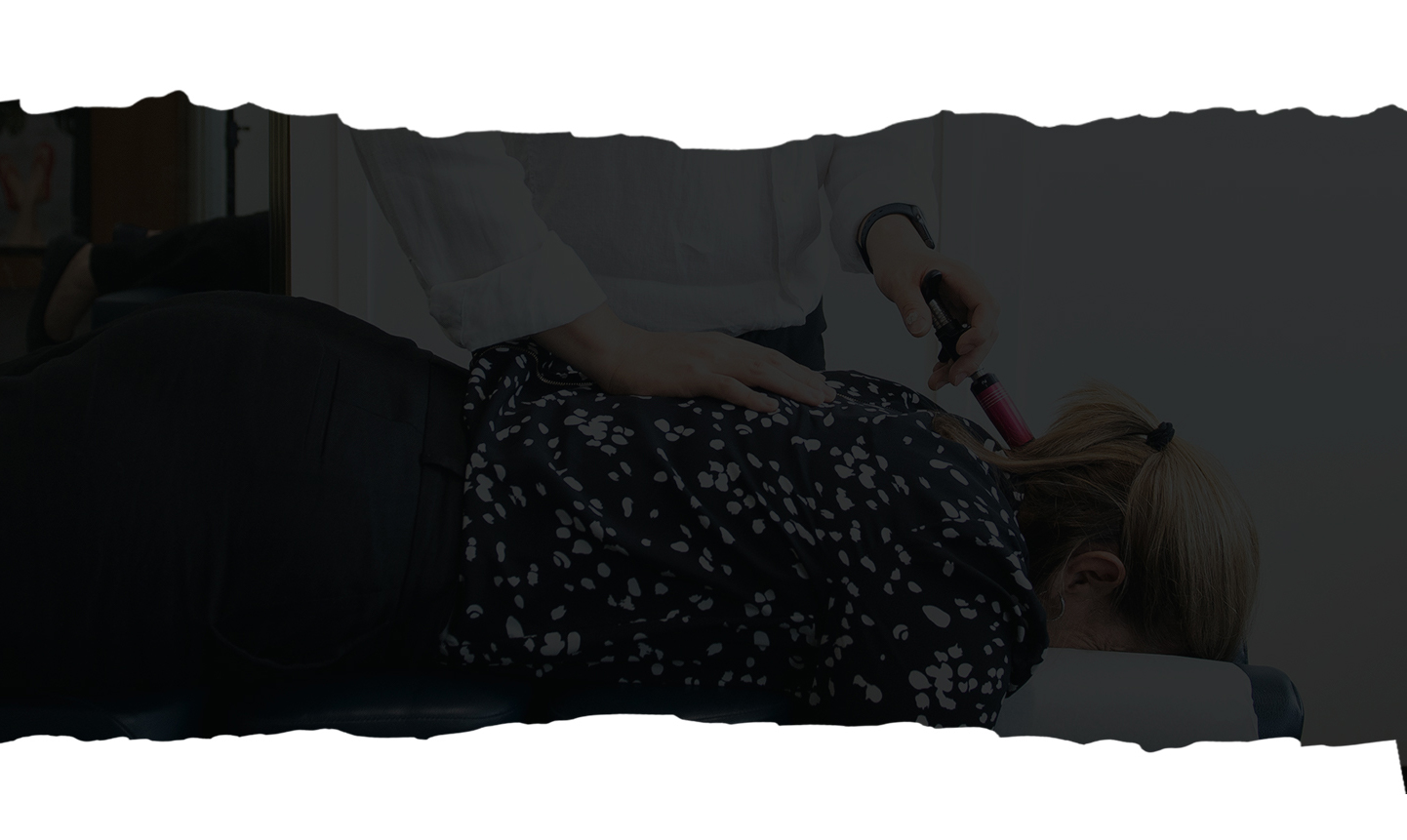
If you are choosing between a traditional hands-on adjustment and the gentle, instrument-assisted Activator technique, the good news is that neither is "better", they are two routes to the same destination: helping a stiff joint move more freely. Which one suits you best comes down to your body, your particular problem and your personal comfort. This guide compares the two fairly and in plain terms, drawing on our own experience with Activator Methods adjusting as one of only a handful of Canberra practices trained in it.
We will explain how each technique actually works, how they compare on force, comfort and that famous cracking sound, who tends to prefer which, and, importantly, how easy it is to switch between them. By the end you will know which one to ask for, or simply that it is perfectly fine to try one and then change your mind.
Two Ways to Achieve the Same Goal
Manual adjustment and the Activator instrument are two methods with the same aim: to restore movement to a stiff, restricted joint. Manual adjustment uses the practitioner's hands to deliver a quick, controlled movement; the Activator uses a small hand-held instrument to deliver a rapid, gentle, low-force impulse. Both are legitimate, evidence-informed techniques.
It helps to start with what the two techniques share, because it is more than what divides them. Both are ways of doing the same fundamental job: encouraging a joint that has become stiff or restricted to move better, which in turn can ease pain and improve function. Both are applied by a trained chiropractor after a proper assessment, targeted to a specific joint that has been identified as stiff rather than applied at random, and both aim to be safe, controlled and effective. In other words, the thinking that guides where and why to treat is the same regardless of which technique delivers it.
The difference is purely in the delivery. A manual adjustment uses the chiropractor's hands and body to take a joint through a quick, precise movement. The Activator technique uses a small, spring-loaded hand-held instrument to deliver a very fast, very light tap to the joint. Same goal, different tool. Neither is a watered-down version of the other; they are simply different means to the same end, each with its own character, and a good chiropractor chooses between them, or blends them, based on you rather than habit.
It is worth knowing that the Activator method is not some fringe gadget, but one of the most researched and widely taught instrument-based techniques in chiropractic, with a defined, systematic protocol behind it. That matters because it means choosing the gentle option is not choosing a lesser or improvised form of care; it is choosing an established, structured technique that happens to be low-force. Being among the few clinics across Canberra trained in it is something we are genuinely glad of, precisely because it widens the range of people we can safely and comfortably help.
How Manual Adjusting Works
In a manual adjustment, the chiropractor positions the joint and applies a quick, controlled thrust of small depth, technically a high-velocity, low-amplitude movement. It takes the joint slightly beyond its usual range to restore movement, often producing the familiar pop. It is precise and effective, and the force, while quick, is carefully controlled.
The manual adjustment is the classic image that springs to mind at the word "chiropractor". Having identified a stiff joint, the practitioner positions your body carefully to isolate that segment, then applies a swift, shallow, controlled push, known in the trade as a high-velocity, low-amplitude thrust. "High velocity" simply means it is quick; "low amplitude" means it travels only a small distance. That combination lets the joint be taken briefly just beyond its habitual range, which encourages it to move more freely afterwards.
This is the technique that often produces the familiar cracking sound, though, as we explain in what an adjustment involves, that pop is just gas releasing in the joint and is not the point of the treatment. Manual adjusting is precise, efficient and, in skilled hands, very effective for suitable patients. The quickness can feel a little startling the first time, but the actual force is modest and closely controlled; it relies on speed and accuracy rather than brute strength.
How the Activator Instrument Works
The Activator is a small, spring-loaded hand-held instrument that delivers a single, very fast, low-force impulse to a specific point on a joint. Because it is quick and light, it moves the joint without the stretch or twist of a manual adjustment, and it does not usually produce a cracking sound. It is a gentle, controlled, targeted alternative.
The Activator technique takes a different route to the same goal. The instrument itself is small enough to hold in one hand, with a spring-loaded tip that, when triggered, delivers a single, precise, high-speed but very light tap to a specific spot on the joint. The impulse is so fast that it moves the joint a tiny amount before the surrounding muscles have time to tense and guard against it, which is part of why it works without needing much force.
Because the movement is delivered by a light tap rather than a manual stretch or twist, an Activator adjustment feels quite different: a quick, firm click against the skin rather than a push through the joint, and usually with no cracking sound at all. For patients, that often makes it feel gentler and less daunting, while still doing the job of stimulating the joint and its surrounding tissues. It is also very targeted, the practitioner can direct the impulse to a precise point and angle, which some find appealing.
Another practical advantage is that you generally do not need to be placed in any awkward or twisted position for it. Because the impulse comes from the instrument rather than from positioning and stretching your body, the Activator can often be applied while you lie comfortably, which suits people who find certain postures painful, are very stiff, or simply feel more at ease not being manoeuvred about. For someone in acute pain or with limited mobility, that can make treatment noticeably more tolerable, and it is one more reason the technique earns its place alongside manual adjusting rather than beneath it.
Comfort, Force and Sound Compared
Compared side by side, the Activator uses less force, involves no twisting or stretching, and usually makes no cracking sound, which many people find more comfortable and reassuring. Manual adjustment uses a quick controlled thrust, often with a pop, and some people prefer the immediate sense of release it gives. Both are safe and effective when well applied.
Laid out plainly, the practical differences are easy to grasp. The table below sums them up, though remember that "gentler" does not mean "less effective", and "more forceful" does not mean "better"; they are simply different experiences of care that suit different people.
| Manual adjustment | Activator instrument | |
|---|---|---|
| Force | Quick, controlled thrust by hand | Very light, fast instrument tap |
| Movement | Positions and stretches the joint slightly | No twisting or stretching |
| Sound | Often a cracking pop | Usually no cracking sound |
| Sensation | A swift push, can feel abrupt at first | A quick, firm click against the skin |
| Good for | Those comfortable with hands-on care | Cautious, older or sensitive patients |
The headline is that the Activator is the gentler, lower-force option and involves no twisting, which is exactly why it appeals to people who feel nervous about being manually adjusted. Manual adjustment, meanwhile, offers a distinct, satisfying sense of release for those who like it. Crucially, both are legitimate, well-established techniques; the choice is about fit and comfort, not effectiveness.
One point on the cracking sound is worth underlining, because it trips a lot of people up. Many patients equate the pop with the treatment "working", and so worry that a silent Activator adjustment has not done anything. It has. As we have written elsewhere, the sound is simply gas releasing in the joint and is not a measure of success; plenty of effective manual adjustments make no sound either. Judge any adjustment, by hand or instrument, on whether your movement and pain improve over the following days, not on whether it was audible. Once you let go of the idea that louder means better, the gentle option loses its only apparent disadvantage.
Who Tends to Prefer Which
People who are older, have fragile or arthritic joints, osteoporosis, or who feel anxious about manual adjustment often prefer the gentle Activator. Those comfortable with hands-on treatment, or who like the immediate release of a manual adjustment, tend to prefer that. The right choice is individual, and safety considerations sometimes make the gentle option the wiser one.
Over years of practice, some clear patterns emerge in who gravitates toward each. The Activator tends to suit older patients, anyone with thinning bones or arthritic, fragile joints, children and, very often, people who are simply nervous about the idea of a manual adjustment or dislike the cracking sound. For some of these patients it is not merely a preference but the safer, more appropriate choice, and being trained in it lets us help people who might otherwise miss out on care altogether.
Manual adjustment, on the other hand, is often preferred by those who are already comfortable with hands-on care, who have had it before and liked it, or who particularly enjoy the immediate feeling of release it can give. Plenty of fit, healthy adults simply prefer it, and for a mobile, tolerant joint in an otherwise well person it is often a quick and efficient way to restore movement. There is no right or wrong here; it is genuinely a matter of what suits your body and what you feel comfortable with, and a good chiropractor will guide the decision with your safety and preferences both in mind.
You Can Switch: Telling Us Your Preference
You are never locked into one technique. If a manual adjustment does not feel right for you, ask for the gentle Activator instead, or vice versa, and a good chiropractor will happily switch. Your comfort and consent come first, so tell us your preference at any point, before, during or after a visit. The technique should fit you, not the other way around.
Perhaps the most reassuring thing to know is that choosing a technique is not a one-off, irreversible decision. If you try a manual adjustment and find it is not for you, you can simply ask for the Activator next time, and if you start with the Activator but would like to try manual adjusting, that is fine too. Some patients even have a deliberate mix within a single visit, manual work where they are comfortable with it and the gentle Activator for a more sensitive, painful or vulnerable area.
All you need to do is speak up. Tell us at the start if you have a preference, mention it during a visit if something does not feel right, or let us know afterwards that you would like to try the other approach next time. A good chiropractor treats your comfort and consent as central, not as an inconvenience, and will adapt happily. There is no such thing as a silly request here; "could we try the gentler one?" is a perfectly good sentence, and one we hear often.
This flexibility also means your care can evolve as you do. Someone might begin with the gentle Activator during an acute, painful flare-up when they feel vulnerable, then move to manual adjusting later as they recover and grow more confident, or stay with the instrument entirely if that is what they like. Preferences change with circumstances, mood and how a body is feeling on the day, and there is no obligation to be consistent. The technique is a tool in service of your comfort and your results, and the best chiropractor is the one who keeps checking that the tool still fits.
So, Activator or manual, which suits you? If you are cautious, older, fragile, or simply prefer a lighter touch with no crack, the Activator is likely your friend. If you are comfortable with hands-on care and enjoy that sense of release, manual adjusting may suit you better. Either way, both aim at the same thing, both are safe and effective in trained hands, and you are always free to try, compare and switch until you find what feels right for your body. The best technique, in the end, is simply the one you will happily come back for.
Try the Technique That Suits You Best
We offer both manual adjusting and the gentle Activator technique, so your care fits you. Book an assessment and tell us your preference, or ask what we would recommend for your situation.
Book an Appointment About Activator MethodsDisclaimer: Everything here is offered as general education rather than personal medical advice, and it does not stand in for a hands-on assessment. Chiropractors in this country are registered and regulated under the national AHPRA scheme. A qualified practitioner can advise which technique best suits your body and problem; see your GP promptly for any red-flag symptoms.