
Hip Pain Treatment in Canberra
Hip pain is another of those complaints where the pain and the problem are not always in the same place. It can come from the hip joint, from the muscles and tendons around it, from an irritated bursa, or from the lower back entirely. Sorting out hip pain is bread and butter for us, and it is squarely one of the conditions we help with where the true source matters more than the symptom. On this page we run through the common causes of hip pain, why sitting and the lower back are so often involved, and how we assess and treat it.
Assessment-first, practical rehab · (02) 6288 6711
What Causes Hip Pain?
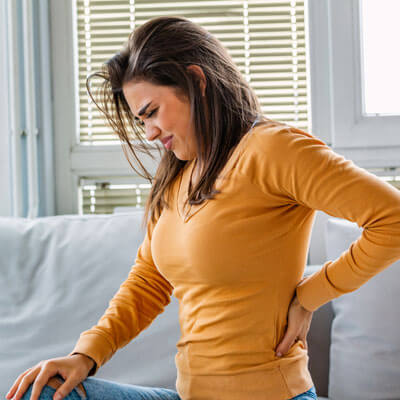
Hip pain has many causes: the hip joint itself, the surrounding muscles and tendons like the hip flexors and glutes, bursae, and often the lower back referring pain to the area. Age, activity, sitting and injury all play a part.
The hip is a big, powerful ball-and-socket joint surrounded by some of the strongest muscles in the body, and hip pain can come from any part of that busy neighbourhood. It might be the joint itself, its cartilage and surrounding structures; it might be the muscles and tendons around it, such as the hip flexors at the front or the gluteal muscles and tendons at the side and back; it might be one of the fluid-filled bursae that reduce friction; or, very commonly, it might not really be the hip at all, but the lower back referring pain into the region.
Where the pain sits offers a useful first clue. Pain felt deep in the groin often points to the hip joint itself, pain at the front toward the hip flexors, pain on the outer hip toward the tendons and bursa there, and pain in the buttock toward the deep glute muscles or a back-related cause. That said, the hip is a notorious referrer and receiver of pain, so location is a starting point rather than a verdict, and a proper assessment is what pins it down.
The usual background factors apply here too. Age brings a degree of wear to the hip joint, sitting for long hours tightens the muscles at the front, sudden increases in activity or sport can overload the tendons, and old injuries leave their mark. None of this means a hip is worn out or headed for trouble; it simply explains why hip pain is common and why understanding your particular pattern, rather than assuming the worst, is the sensible way to approach it.
Hip joint arthritis deserves an honest mention, since it is the cause people most fear. It is real, becomes more common with age, and classically produces deep groin pain, stiffness that is worst first thing in the morning, and a gradual loss of movement. But two things are worth holding onto: many people manage hip arthritis well for years with the right movement, strengthening and load management, and a diagnosis is not an automatic ticket to surgery. Where a hip joint is genuinely worn and symptoms warrant it, we refer for a specialist opinion, but a great deal can be done to keep a hip comfortable and functional in the meantime.
Hip Flexor Pain: The Desk-Sitting Connection
Hip flexor pain and tightness are strongly linked to prolonged sitting, which holds these front-of-hip muscles in a shortened position for hours. Over time they tighten and can ache or feel restricted, and they can pull on the lower back too. Movement, stretching and strengthening usually help.
The hip flexors are the group of muscles at the front of the hip that lift your thigh toward your torso, and in our desk-bound world they are one of the most common sources of hip and front-of-hip discomfort. The reason is simple and sits under most of us for hours a day: when you sit, your hip is bent, which holds the hip flexors in a shortened position. Do that for most of your waking hours, day after day, and these muscles gradually adapt to being short and tight.
Tight hip flexors can ache in their own right, produce a pinching or restricted feeling at the front of the hip, especially when you stand up and straighten out, and leave the hip feeling generally stiff. Just as importantly, because they attach to the lower spine and pelvis, chronically tight hip flexors can tug on the lower back and tilt the pelvis, contributing to back discomfort as well. It is a good example of how a problem in one area quietly loads another.
The encouraging news is that hip flexor tightness responds well to the obvious remedy: moving more and sitting less. Breaking up long sitting, stretching the hip flexors, and strengthening the muscles that oppose them all help unwind the pattern, and hands-on soft-tissue work can ease particularly stubborn tightness. It is one of the more satisfying hip complaints to address, because the cause is clear and the fixes are largely within your own control once you know what to do.
A small but effective habit is to simply stand up and straighten out at regular intervals through the day, since even a brief break from the seated, hip-bent position stops the flexors settling into permanent shortness. Setting a quiet reminder to rise every half hour or so, taking phone calls on your feet, or walking over to speak to a colleague rather than emailing all add up. None of it is dramatic, but for hip flexors that spend most of the day folded up, these frequent little resets do more good than the occasional big stretch.
Hip and Lower Back Pain Together: Which Came First?
Hip and lower back pain often occur together because they share muscles and movement, and either can drive the other. A stiff hip can overload the back, and a sore back can change how the hip moves. Assessing both together usually gives the clearest answer.
It is remarkably common for people to have hip and lower back pain at the same time and to be genuinely unsure which is the real culprit, and that confusion is completely understandable, because the two are so tightly connected. The hips, pelvis and lower back operate as one connected unit whenever you walk, bend, sit or stand, and they share muscles that blend from one region into the next. When any one part of that system stops working smoothly, the rest is left picking up the slack, and the discomfort often shows up in the neighbouring region.
This relationship runs in both directions, which is exactly why the which-came-first question is so hard to answer without assessing it. A stiff, restricted hip makes the lower back work harder and travel further than it should to compensate, gradually overloading it, so a hip problem can masquerade as back pain. Equally, a sore lower back changes how you walk and hold yourself, loading the hip unevenly, so a back problem can show up as hip pain. Our lower back pain page looks at this from the back's side of the story.
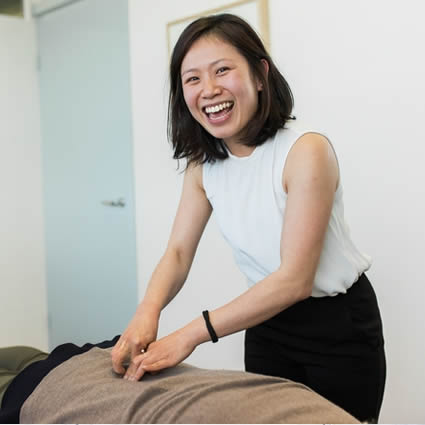
Because the two are so intertwined, we always assess the hip and the lower back together rather than treating one in isolation, because addressing just one half of a linked problem usually delivers just half a result. Working out which region is truly driving the trouble, and how they are influencing each other, is precisely what a careful assessment is for, and it is what allows treatment to be aimed at the real source rather than just the loudest symptom.
Hip Bursitis and Outer Hip Pain
Pain on the outer hip is often related to the tendons and bursa there, sometimes called bursitis or, more accurately, gluteal tendinopathy. It typically hurts to lie on that side or with certain movements. It usually responds well to load management, strengthening and hands-on care.
Pain felt on the bony point at the outer side of the hip is a distinct and common pattern, and it has traditionally been called hip bursitis, after the bursa, a small fluid-filled cushion, that sits there. In recent years, understanding has shifted, and we now know that much of this outer hip pain is really a problem with the gluteal tendons that attach nearby, a gluteal tendinopathy, sometimes with the bursa irritated alongside. The practical upshot is similar either way: it is a load-related problem of the tissues on the outside of the hip.
The tell-tale signs are quite recognisable. Outer hip pain of this kind classically hurts when you lie on that side in bed, making sleep a real problem, and it can flare with walking, climbing stairs, or standing with your weight shifted onto one hip. It is more common in women and around middle age and beyond, and it can be stubborn if it is repeatedly aggravated, which is often what keeps it hanging around.
The good news is that this kind of outer hip pain generally responds well to the right approach, and importantly that approach is usually not complete rest. Managing the load sensibly, avoiding the specific positions that compress and aggravate the tendons, and, crucially, progressively strengthening the gluteal muscles and tendons is the mainstay, supported by hands-on care to ease symptoms along the way. It asks for a bit of patience, but the outlook is good, and we can guide you through exactly what to do and what to avoid.
One practical detail worth knowing is that some of the everyday habits people adopt to feel comfortable actually keep this problem going. Standing with your weight slumped onto one hip, sitting with your knees crossed high, or lying with the sore leg dropping across the body all compress the very tendons that are irritated. Simply becoming aware of these positions and easing off them can take a surprising amount of the aggravation away, and it is often the first thing we help people adjust while the strengthening does its slower, deeper work.
How We Assess Hip Pain
We assess hip pain with a careful history and a hands-on examination of the hip, the lower back and how you move, testing the joint, the muscles and the specific structures involved. That tells us whether the pain stems from the hip joint, the muscles and tendons, a bursa, or the back, and shapes treatment.
Given how many possible sources hip pain has, and how readily it and the back refer to one another, a careful assessment is essential, and it is always our starting point. It opens with your story: exactly where the pain sits, how it began, what eases or aggravates it, whether it hurts to lie on that side, how it affects walking, stairs and sleep, and the activities you most want to return to. That opening conversation alone narrows the field considerably and flags anything needing a different pathway.
Next comes the physical examination, and here we deliberately assess the hip and the lower back as a pair, since the two are so closely linked. We watch how you move and walk, test the hip's range and the movements that provoke your pain, check the strength and behaviour of the surrounding muscles and tendons, and examine the lower back for its possible contribution. Where a nerve or back-referred cause is a possibility, we carry out the relevant checks too, so we can separate a true hip problem from a referred one.
Putting the history and examination side by side gives us a working sense of what is most likely behind your hip pain and why, and we explain it to you plainly. That understanding shapes treatment aimed at the real source rather than a generic hip routine, and it tells us honestly whether hands-on care and rehab are the way forward, or whether imaging or a specialist opinion, for instance where significant hip joint arthritis looks likely, belongs in the plan.
Treatment and Rehab for Hips
We treat hip pain according to its cause: hands-on care and soft-tissue work for the hip, surrounding muscles and lower back, combined with progressive strengthening and movement. Rehab is central, because a strong, well-moving hip is what settles the pain and keeps it away, especially for tendon and muscle problems.
Treatment for hip pain follows what the assessment found, and because the hip and lower back are so linked, it often addresses both. Hands-on care can help where the hip, pelvis or lower back have become stiff and restricted, using careful techniques and gentle low-force options where appropriate, and soft-tissue work eases the tight, overworked muscles, the hip flexors, glutes and surrounding tissues, that so often accompany hip pain. This settles symptoms in the short term and, just as importantly, creates the room and comfort you need to move and load the hip better.
What contributes most to a durable result, especially for the muscle and tendon problems behind so much hip pain, is rehab. Hips are built to be loaded and thrive on the right kind of work, so progressively strengthening the gluteal and surrounding muscles is central to both settling problems like outer hip tendinopathy and preventing their return. We prescribe and progress this to suit your problem and stage, because for hips, appropriate strengthening is not an optional extra; it is often the main event.
For active people and athletes, the hips are under particular demand, and hip problems frequently tie in with how the whole lower body and back are moving and loading. This is where our sports chiropractic approach fits, looking at the hip as part of the wider system rather than in isolation. Whether you are a runner, a weekend competitor or simply someone wanting a hip that copes with daily life, the principle is the same: settle the pain, then build a hip that stays well. For runners in particular, this often means looking well beyond the hip itself, at how you load through the foot, knee and back on every stride, since a hip complaint is frequently the place where a whole-chain problem finally speaks up.
Hip Stretches That Help
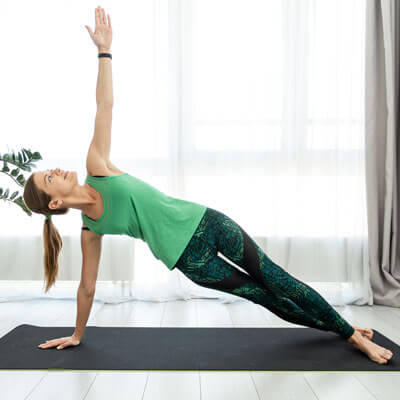
The right hip work is a sensible mix of loosening what is tight and strengthening what is weak. Stretching alone rarely fixes a hip, but as part of a balanced routine it genuinely helps.
Hip flexor stretches
Gentle stretches for the tight hip flexors at the front of the hip counter the effects of long sitting and can ease front-of-hip tightness and its pull on the lower back.
Glute and rotator mobility
Easy mobility work for the deep buttock and hip-rotator muscles helps a stiff, tight hip move more freely and can relieve the buttock aching that often comes with hip trouble.
Strength, not just stretch
The piece people skip: strengthening the glutes and surrounding muscles. For most hip problems this matters more than stretching, and it is what makes improvements actually last.
A word of realism: stretching is helpful but oversold as a cure for hips. Many hip problems, especially the tendon-related ones, respond far better to strengthening than to stretching, and some aggressive stretches can even aggravate an irritated tendon. That is why we prescribe hip work individually rather than handing out a generic sheet. Our blog on hip flexor stretches is a sensible starting point for the tight front of the hip, but tailored guidance based on your assessment always beats generic guesswork.
Book a Hip Assessment and Get a Practical Plan
Because hip pain so often involves the lower back and responds so well to the right strengthening, a proper assessment that looks at the whole picture is the place to start. Book online, or reach the clinic on (02) 6288 6711, Saturday mornings included.
1/43 Brierly St, Weston ACT 2611 · hips and backs treated as one system