
Does Dry Needling Hurt? What It Feels Like
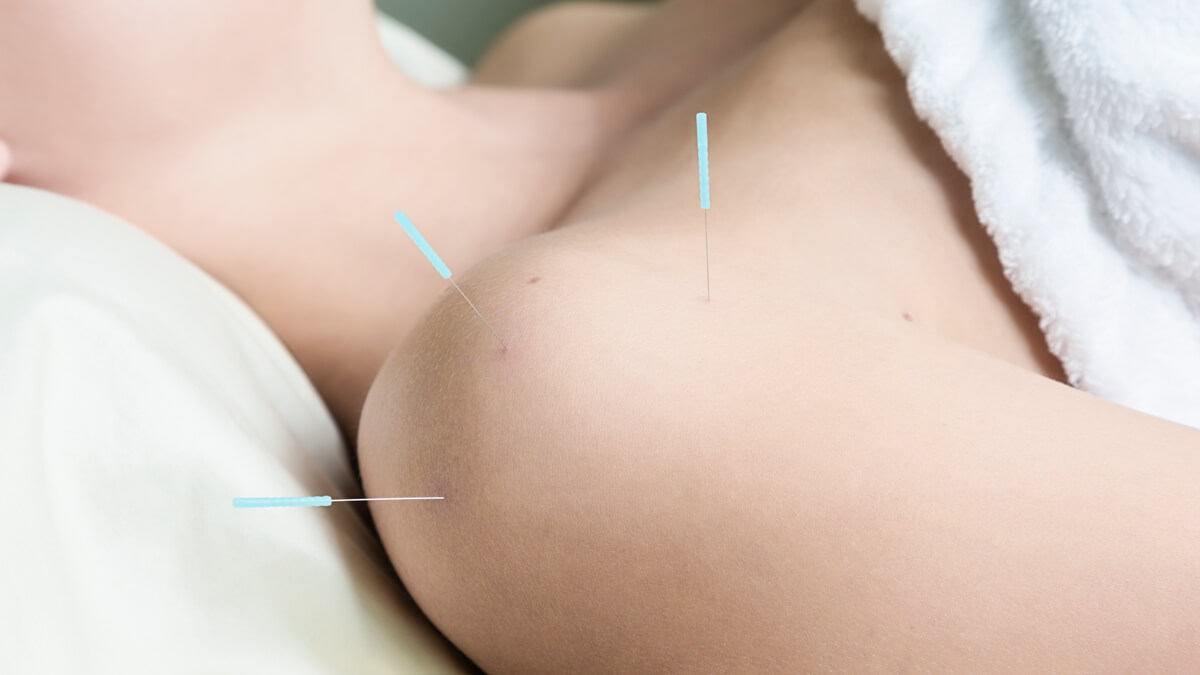
The most common question people ask before their first dry needling session is a completely natural one: is this going to hurt? The honest, reassuring answer is that it is usually far less uncomfortable than most people fear, and knowing what to expect takes away most of the worry. This guide walks you through exactly what you feel as the needle goes in, the odd but useful twitch response, the mild soreness afterward, how we adapt for nervous first-timers, and a step-by-step of a first session. If you want the background on the technique itself, our guide on needling vs acupuncture explains it.
Dry needling at our clinic is provided by our remedial massage therapist as part of hands-on muscle treatment, so it is delivered gently, with plenty of communication, and always at a level you are comfortable with. Fear of the unknown is usually the worst part, and this article is here to remove it.
The Honest Answer: A Twitch, Not a Stab
Honestly, dry needling is usually not very painful. The needles are extremely fine, much thinner than the ones used for injections, so the insertion is often barely felt. What you do notice is a deep, dull ache or a brief muscle twitch when the needle reaches a tight trigger point, which feels odd but is generally not sharp or intense. Most people describe it as strange or interesting rather than painful, and any discomfort is brief. It is far gentler than the word needle tends to suggest.
Let us answer the headline question directly, because that is what you came for: no, dry needling does not usually hurt in the way people brace themselves for. The mental image of a needle understandably conjures the sting of an injection or a blood test, but the needles used in dry needling are a completely different beast, so fine they are more like a hair than the hollow needles used to draw blood or give a jab.
Because of that fineness, the moment of insertion through the skin is often barely noticeable, and plenty of people are surprised to be told the needle is already in. The sensation that dry needling is actually known for is different and comes when the needle reaches its target: a deep, dull ache, a heaviness, or a quick involuntary twitch of the muscle. This can feel distinctly odd, and it is the part first-timers are curious about, but it is generally not the sharp, intense pain they feared. Most people come away describing the experience as strange, interesting or oddly satisfying rather than genuinely painful, and whatever sensation there is tends to be brief. In short, the word needle promises far more discomfort than dry needling actually delivers.
It is worth naming why the fear and the reality diverge so much, because understanding it is genuinely reassuring. Almost everyone's experience of needles comes from injections and blood tests, which use relatively thick, hollow needles designed to push fluid in or draw it out, and which can genuinely sting. A dry needling needle is solid, not hollow, and finer than a strand of hair, so it slips between the tissues rather than cutting a path for fluid. Your brain, though, does not know the difference in advance; it simply hears the word needle and braces for the familiar sting. That mismatch between expectation and reality is exactly why so many people are pleasantly surprised, and why the treatment feels so much gentler than the anticipation. Once you have felt how mild it really is, the anxiety rarely survives the first session.
The Needle Going In: What You Feel
As the needle goes in, most people feel very little, often just a light tap, a small prick, or nothing at all, because the fine needle passes through the skin so easily. Some spots on the body are a little more sensitive than others, so you might feel a tiny pinch in places, but it passes in an instant. This first part, getting through the skin, is almost never the uncomfortable bit; any sensation people notice usually comes later, once the needle reaches the muscle beneath.
Breaking the experience into stages helps, because the two parts, the needle entering the skin and the needle reaching the muscle, feel quite different, and it is worth knowing what each is like. The first part, the insertion through the skin, is the bit people dread most and, happily, the bit that turns out to be least eventful.
Thanks to how fine the needles are, and often a quick, practised insertion technique, getting through the skin is usually felt as no more than a light tap or a tiny prick, and frequently not felt at all. Some areas of the body carry more nerve endings and are slightly more sensitive, so in certain spots you might notice a small pinch, but even then it is fleeting, gone almost as soon as it registers. This is genuinely the easy part, and once people have felt how gentle it is, much of their apprehension melts away. The sensations dry needling is known for, the deep ache and the twitch, belong to the next stage, when the needle reaches the muscle, rather than to this initial passage through the skin.
If it helps to have a comparison, many people say the insertion feels lighter than a mosquito bite and quicker than the scratch of a blood test, over before you have really registered it. A skilled therapist also chooses their moment and technique to make it as smooth as possible, and the fact that you cannot feel the needle being placed is a sign of good technique rather than anything to worry about. Because this first stage is so undramatic, it is common for people who were tense beforehand to visibly relax after the first needle goes in, having braced for a sting that simply never arrives. From there, the rest of the session tends to feel much more manageable than they expected.
The Twitch Response: Odd but Useful
The twitch response is a quick, involuntary contraction of the muscle that can happen when the needle reaches a tight trigger point. It feels like a small, sudden jump or cramp in the muscle, over in a fraction of a second, and while it is a strange sensation, it is not usually painful and it tends to be a good sign, suggesting the needle has found and engaged the tight spot. Not every needle produces a twitch, and it is nothing to be alarmed by when it happens.
The twitch response deserves its own explanation because it is the sensation most unique to dry needling and the one people are most curious, and sometimes most nervous, about. When the fine needle reaches a genuinely tight trigger point in the muscle, the muscle can respond with a quick, involuntary contraction, a small twitch, entirely outside your control.
It feels like a brief, sudden jump or a tiny cramp in the muscle, and it is over in a fraction of a second. The first time it happens it can be startling simply because it is unexpected and unfamiliar, but it is not usually painful, and it is certainly nothing to worry about. In fact, practitioners often regard the twitch as a good sign: it suggests the needle has located and engaged the very trigger point that was causing trouble, which is exactly what dry needling is trying to reach. Not every needle will produce a twitch, and that is perfectly normal too, since it depends on the muscle and the spot. So if you feel that odd little jump during a session, you can relax; it is a sign the treatment is doing its job, not a sign that anything is going wrong.
People describe the twitch in different ways, which is worth knowing so yours does not surprise you: some feel it as a fleeting cramp, others as a dull jolt or a deep, momentary ache that spreads a little before vanishing. Whatever form it takes, the key features are the same, it is brief, it is not sharp in the way a cut or a burn is, and it fades almost as soon as it arrives. If a particular twitch is more intense than you would like, simply say so, and your therapist can adjust their approach; there is never any need to grit your teeth through it. For most people, after the first one or two, the twitch becomes a familiar and even reassuring part of the session rather than something to dread.
Soreness Afterwards and How Long It Lasts
It is common to feel a little sore for a day or so after dry needling, much like after a workout, in the areas that were treated. This post-needling soreness is usually mild, feels like a dull ache or tenderness, and typically settles within one to two days. Gentle movement, warmth and staying hydrated help it pass. It is a normal response, not a sign of harm, and most people find it a small and worthwhile trade for the muscular relief that follows.
Just as with a firm massage, it is common and completely normal to feel a bit sore in the treated areas for a day or so after dry needling, so it is worth knowing about in advance rather than being caught out. The soreness is the muscle's ordinary response to being worked, much like the pleasant ache after exercise, and it does not mean anything has gone amiss.
This after-effect is usually mild, feeling like a dull ache or tenderness where the needles were placed, and it typically fades within a day or two. You can help it along with the same simple measures that ease post-massage soreness: keep gently moving rather than staying still, apply a little warmth to the area, stay well hydrated, and go easy on strenuous exercise for the rest of that day. Many people notice that as the short-lived soreness settles, the underlying muscular tension the needling was aimed at feels genuinely easier, which makes the brief tenderness a small and worthwhile trade. If soreness were ever severe, long-lasting or accompanied by anything unusual, that would be worth mentioning to your therapist, but ordinary next-day tenderness is simply part of the process and passes quickly.
A little planning helps you take the soreness in your stride. If you have something physically demanding coming up, a big training session, a long day on your feet, or an event where you want to feel your best, it can be worth scheduling your needling a day or two beforehand rather than the same day, so any tenderness has settled by the time you need to perform. Beyond that, there is nothing you need to do differently: you can drive home, return to work, and go about your day as normal after a session. The soreness, when it comes at all, is the mild, background sort that a busy day easily absorbs, not something that stops you in your tracks, and it is quickly forgotten once the muscular relief the needling was aiming for begins to show.
Nervous About Needles? How We Adapt
If you are nervous about needles, that is completely understandable and very common, and it does not rule dry needling out. Your therapist can start slowly and gently, use fewer needles, choose less sensitive areas first, explain each step, and let you stay in control, stopping any time you wish. You can also lie in a position where you cannot see the needles. And if needling simply is not for you, that is absolutely fine, as plenty of other hands-on techniques can help instead.
Being anxious about needles is extremely common and nothing to be embarrassed about, and it certainly does not mean dry needling is off the table for you, because a good therapist has plenty of ways to make it manageable. The first and most important is simply talking it through: understanding what will happen, as you are doing now, removes a great deal of the fear that comes from the unknown.
From there, the approach can be tailored entirely to your comfort. Your therapist can begin slowly and gently, perhaps starting with a single needle in a less sensitive area so you can feel how mild it is before going further, and using only as many needles as you are comfortable with. You stay in control throughout and can ask to pause or stop at any point, no questions asked. Many nervous people find it helps to lie in a position where they cannot see the needles and to focus on slow, steady breathing while the therapist talks them through each step. And if, having tried it or even just thought it through, you decide dry needling is genuinely not for you, that is completely fine and no problem at all: it is only ever one option among many, and there are plenty of other effective hands-on techniques, massage and soft-tissue work among them, that can help your muscles without a needle in sight. The choice is always yours.
First Session Walkthrough
In a first dry needling session, your therapist talks with you about your problem and your concerns, assesses the muscles involved, and explains what they plan to do. With your consent, they insert one or more fine needles into the target muscles, which may stay in briefly or be applied and removed, sometimes with that quick twitch. The needles are removed, the area may be massaged, and you are given simple aftercare advice. It is a calm, collaborative process with you comfortable and in control throughout.
Knowing the shape of a first appointment removes the last of the mystery, so here is how a typical session unfolds from start to finish. Nothing about it is rushed or surprising, and you are an active participant at every stage.
- A chat first. Your therapist talks with you about your problem, your history and any concerns about needles, so everything is tailored to you and nothing happens without your understanding.
- A quick assessment. They examine the relevant muscles to find the trigger points and tight areas worth treating, which guides exactly where any needling would go.
- Explaining the plan. They describe what they intend to do and why, answer your questions, and gain your consent before anything begins.
- The needling itself. With you comfortably positioned, one or more fine needles are gently inserted into the target muscles. They may be left in place for a short time or applied and withdrawn, and you might feel the odd ache or twitch.
- Finishing up. The needles are removed and safely discarded, the area is often massaged or gently worked, and your therapist checks in on how it felt.
- Aftercare advice. You are given simple guidance, hydrate, keep gently moving, expect possible mild soreness, and sent on your way, with any follow-up discussed if helpful.
Throughout, you remain comfortable and in control, and the whole thing is far more relaxed and collaborative than the word needling might suggest. Most people finish their first session wondering what they were ever worried about.
We Will Talk You Through Every Step
Our remedial massage therapist offers gentle, well-explained dry needling as part of your muscle care, tailored to your comfort. Reach our Weston clinic to ask any questions or book a session.
Book an Assessment About Dry NeedlingDisclaimer: This article is general information about the experience of dry needling, not health advice. Sensations vary from person to person, and dry needling is not suitable for everyone; your therapist will assess whether it is appropriate for you. It is provided at our clinic as part of remedial massage care. Chiropractic and remedial massage in Australia are delivered by regulated and accredited practitioners.