
Deep Tissue Massage: Benefits and Aftercare
Deep tissue massage has a reputation for firm pressure and the odd wince, but done well it is a genuinely useful treatment for stubborn muscle tension, and knowing how it works and how to look after yourself afterwards helps you get the most from it. This guide covers what deep tissue massage actually does, its benefits stated honestly, how it differs from remedial massage, why you might feel a little sore afterward, and a clear aftercare checklist, along with who should think twice about deep pressure.
Let us clear up a common misconception straight away: deep tissue does not mean as-hard-as-possible. Good deep tissue work is firm and focused, but it should stay within a productive range, not a painful ordeal, and communicating with your therapist about pressure is part of the process.
What Deep Tissue Massage Actually Does
Deep tissue massage uses slow, firm pressure and deliberate strokes to work down into the deeper layers of muscle and the surrounding connective tissue, rather than working only on the surface. By working slowly into these deeper layers, it aims to release areas of sustained tension and tight bands of muscle, ease stiffness, and improve how the tissues move. It is not simply a harder version of a normal massage; it is a slower, more focused technique targeting depth rather than speed.
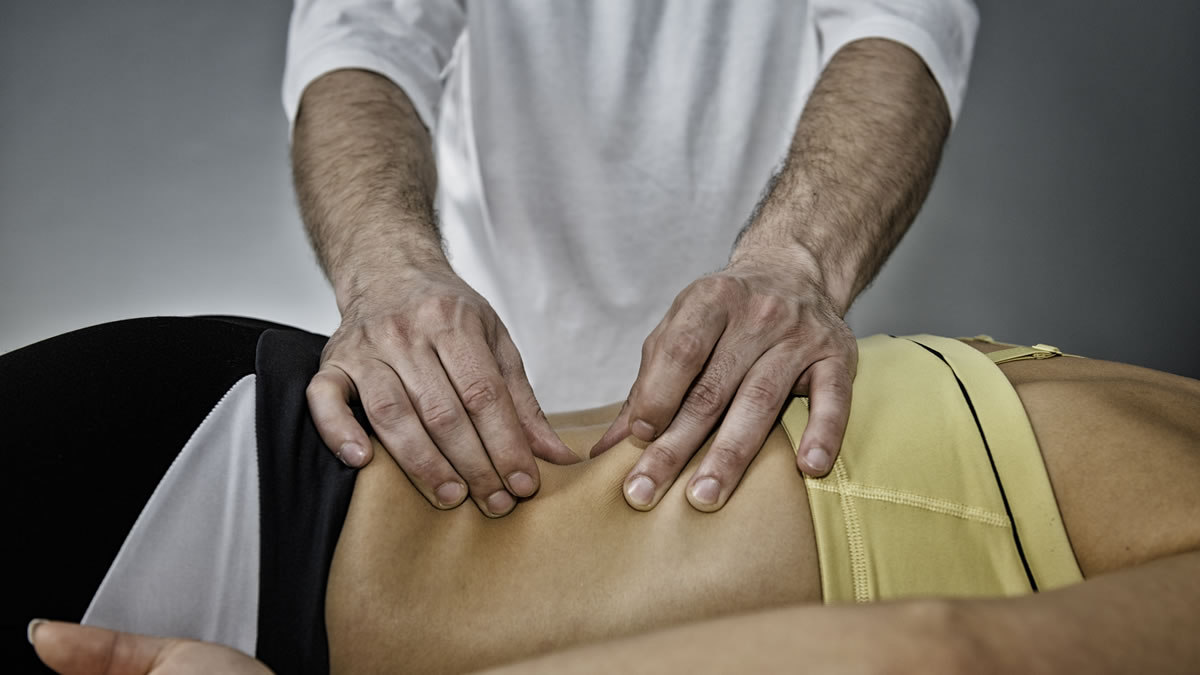
The name is fairly literal: deep tissue massage works into the deeper layers of muscle and fascia, the connective webbing that surrounds and joins your muscles, rather than gliding over the surface as a lighter massage does. What sets it apart is not just force but technique. The therapist uses slow, deliberate strokes and sustained pressure, often with forearms, knuckles or thumbs, to sink gradually through the outer layers and reach the tension held underneath.
Slowness is the key. Deep tissue is not about attacking a muscle hard and fast, which only makes it tense up defensively; it is about applying steady, patient pressure that allows a tight muscle to release under the therapist's hands. As the deeper tissues let go, chronically tight areas ease, stiff regions loosen, and the muscles and fascia begin to move more freely against one another. Because it targets sustained, long-standing tension, deep tissue work is particularly suited to the kind of stubborn tightness that a gentler massage tends to skim over. Think depth and patience rather than brute strength, and you have the essence of what a good deep tissue treatment is doing.
Communication is part of the technique too, and it is worth knowing that you are an active participant, not a passive recipient. A good therapist checks in about the pressure and watches how your body responds, because a muscle that is being pushed past its comfort tends to brace and resist, which defeats the purpose. The useful zone is often described as a firm, satisfying ache, the sort where the pressure feels as though it is reaching exactly the tight spot that needed it, rather than a sharp, breath-holding pain you have to endure. If it ever tips over into the latter, saying so is not being difficult; it genuinely helps the treatment work, since the therapist can ease back to a pressure your muscles will actually let go under. The best deep tissue work is a collaboration between your feedback and their hands.
The Benefits, Evidence-Honestly
Honestly stated, deep tissue massage can genuinely help reduce muscle tension and stiffness, ease some kinds of persistent muscular pain, and leave you feeling looser and more comfortable, and it may aid relaxation and sleep too. What it does not do, despite popular claims, is flush out toxins; that idea is a myth. The evidence for massage is strongest for short-term relief of tension and pain and for wellbeing, so it is best seen as a valuable comfort-and-tension treatment rather than a cure.
It is worth being straight about what deep tissue massage can and cannot do, because the field is full of overblown claims and you deserve honest information. On the genuine side, there is good reason to value it: many people find it genuinely reduces muscular tension and stiffness, eases certain kinds of nagging muscular pain, and leaves the treated areas feeling looser and more comfortable. It can also be deeply relaxing despite the firm pressure, and better sleep and a lifted mood are common and welcome side effects.
Now for the honest caveats. A persistent myth claims that massage flushes toxins out of the body; it does not, there are no such toxins being released, and you can happily set that idea aside. The scientific evidence for massage is strongest for short-term relief of muscle tension and pain and for general wellbeing, rather than for curing conditions or producing dramatic long-term change, so the sensible way to think about deep tissue massage is as an effective, pleasant treatment for muscular tension and comfort, often as part of a broader approach, rather than a standalone fix for a medical problem. Valued for what it genuinely offers, it is well worth having; it simply should not be oversold, and a trustworthy clinic will never oversell it to you.
In terms of who tends to benefit, deep tissue work suits people carrying long-standing muscular tension: the tight shoulders and neck of desk workers, the sore backs and legs of people who train or do physical work, and the general knotted feeling that a stressful stretch of life leaves in the muscles. It also pairs well with other care, keeping the muscles around a joint loose while you work on a problem through chiropractic treatment or a rehabilitation program. What it is not is a treatment for an acute injury, an inflamed area or a medical condition, where firm pressure could do more harm than good; those need the right assessment and, often, a gentler or entirely different approach. Matching the treatment to the situation is where a skilled therapist earns their keep, and it is why an honest one will sometimes steer you toward something other than deep pressure when that is what your body actually needs.
Deep Tissue vs Remedial: Clearing Up the Confusion
The terms overlap and are often used loosely, but broadly, deep tissue describes a technique, using firm pressure to reach deeper muscle layers, whereas remedial describes an approach, an assessment-led treatment aimed at a specific problem that may use a range of techniques, deep tissue among them. So a remedial session might include deep tissue work, but remedial is defined by its therapeutic, problem-solving purpose rather than by pressure alone. In practice, a good therapist blends techniques to suit you.
People frequently ask whether deep tissue and remedial massage are the same thing, and the confusion is understandable because the words are used loosely and the two genuinely overlap. The clearest way to separate them is to notice that they describe different things: one is mainly a technique, the other mainly an approach.
Deep tissue refers to the technique of using slow, firm pressure to work into the deeper layers of muscle, as described above. Remedial massage refers to a whole way of working: an assessment-led, therapeutic treatment aimed at addressing a specific problem, which may draw on many techniques, including deep tissue pressure, trigger-point work, stretching and more, chosen to suit your particular issue. In other words, deep tissue is one of the tools a remedial therapist might use, while remedial is defined by its purpose of treating a problem rather than by any single technique. This is why a remedial session often includes plenty of deep tissue work, and why the labels blur in everyday use. In practice, what matters more than the name on the booking is that a skilled therapist assesses what you need and blends the right techniques and pressure to get you there, which is exactly what happens in a good treatment regardless of the term used.
So if you are unsure which to book, do not agonise over the label. Book the treatment that fits your goal, mention that you would like firm, deep work if that is what you are after, and trust the therapist to assess and adapt on the day. The words are a rough guide to what to expect, not a rigid contract, and a good practitioner will always tailor the session to the body in front of them.
Why You Can Feel Sore Afterwards (and Why That Is Fine)
Feeling a little sore for a day or so after a deep tissue massage is common and normal, much like the mild ache after a good workout, as the muscles respond to the unfamiliar pressure. It is usually mild and settles within a day or two, easing with gentle movement, warmth and hydration. It is not a sign of damage or that the massage went wrong. That said, pain that is sharp, severe or lingering is not the normal picture and should be mentioned to your therapist or checked.
If you have ever felt a bit tender the day after a firm massage and wondered whether something went wrong, relax: mild post-massage soreness is common, expected and harmless. The best comparison is the pleasant ache you feel after a good workout, and the mechanism is similar, as muscles that have been worked in an unaccustomed way respond with a little temporary soreness as part of their normal recovery.
This kind of soreness is usually mild, feels like a dull ache or tenderness in the areas that were worked, and settles on its own within a day or, at most, two. Gentle movement, warmth and staying well hydrated all help it pass more comfortably, which is where the aftercare below comes in. Crucially, it is not a sign of damage, and it does not mean the therapist was too rough or that anything went wrong; it is simply the body's ordinary response to focused deep work. There is a limit to normal, though, and it is worth knowing: sharp, severe, or long-lasting pain, bruising beyond the mild, or any new symptom is not expected after a massage, and if you experience anything like that it is worth mentioning to your therapist and, if needed, having it checked. Ordinary next-day tenderness, however, is nothing to worry about and often means the deeper tension has genuinely been addressed.
Aftercare: The 24-Hour Checklist
In the 24 hours after a deep tissue massage, drink plenty of water, keep gently moving with light activity and easy stretches rather than sitting still, and use warmth such as a warm bath or heat pack to soothe any tenderness. Rest well, avoid strenuous exercise, heavy lifting or a big workout that day, and listen to your body. These simple steps help the muscles settle, ease post-massage soreness, and let you get the most lasting benefit from the treatment.
A little sensible aftercare helps the good work of a deep tissue massage settle in and keeps any next-day soreness to a minimum, so it is well worth following a simple routine for the first day afterward. None of it is onerous; it is mostly about being kind to freshly worked muscles.
- Hydrate well. Drink plenty of water through the rest of the day. This is not about flushing mythical toxins; it simply supports your muscles and general recovery and helps you feel your best.
- Keep gently moving. Light activity, a stroll and some easy stretches keep the treated muscles from stiffening up, which beats sitting still for hours.
- Use warmth. A warm bath, shower or heat pack over tender areas is soothing and helps the muscles relax further.
- Go easy. Skip the strenuous workout, heavy lifting or big training session that day; give the muscles a chance to settle before you load them hard again.
- Rest and listen. Allow yourself to rest, get a good night's sleep, and pay attention to how your body feels, easing back on anything that provokes discomfort.
Follow this for the first day and any mild soreness will usually pass quickly, leaving you with the looser, more comfortable feeling that a good deep tissue massage is meant to deliver.
Beyond that first day, a little thought about timing helps you get lasting value from deep tissue work. If you know you have a big event, a long drive or a demanding training session coming up, it is often wiser to book your massage a day or two beforehand rather than the same day, so any transient tenderness has passed by the time you need to perform. Spacing regular sessions sensibly matters too: for ongoing tension, a treatment every few weeks tends to keep things comfortable without your muscles ever forgetting the benefit, while for a specific tight patch a short run of closer sessions may help more at first. Your therapist can suggest a rhythm that suits your body and your life, and there is no need to chase an aggressive schedule; consistency at a comfortable interval beats occasional intense blitzes every time.
Who Should Skip Deep Pressure
Deep pressure is not right for everyone. It should be avoided or modified for people on blood-thinning medication or with bleeding disorders, anyone with a blood clot or who is at risk of one, and over areas of recent injury, fracture, infection, skin problems, or unexplained lumps. It also needs care in pregnancy, with certain medical conditions, and over very painful areas. If in doubt, check with your doctor first and always tell your therapist about your health, so the treatment can be adjusted or a gentler option chosen.
As valuable as deep tissue massage is, firm pressure is genuinely not suitable for everyone or every situation, and a responsible therapist will always ask about your health before starting for exactly this reason. Knowing the main cautions helps you have that conversation and stay safe.
Avoid or modify deep pressure, and check with your doctor first, if you
- Take blood-thinning medication, or have a bleeding or clotting disorder
- Have a blood clot such as a deep vein thrombosis, or are at risk of one
- Have a recent injury, fracture, wound, skin infection, rash or unexplained lump in the area
- Are pregnant, or have a condition such as osteoporosis, uncontrolled high blood pressure, or an active flare of an inflammatory condition
In these situations deep pressure may be unsafe or need adapting. Always tell your therapist about your health so they can modify the treatment or recommend a gentler alternative.
None of this means massage is off-limits if one of these applies to you; very often a gentler, modified treatment is perfectly appropriate and still helpful. It simply means the pressure and approach need to be chosen with your circumstances in mind, which is why an honest conversation with your therapist, and with your doctor where relevant, matters so much. With that in place, most people can enjoy the real benefits of deep tissue work safely and comfortably.
Deep Tissue Work, Tailored to You
Our therapists deliver deep tissue massage at a pressure that suits you, assessing your needs and keeping it safe and effective. Reach our Weston clinic to book a session that fits.
Book a Massage Deep Tissue MassageDisclaimer: This article is general information, not health advice, and deep tissue massage is not suitable for everyone. Tell your therapist about your health, and check with your doctor if any of the cautions above apply. Massage complements but does not replace medical care. Chiropractic and remedial massage in Australia are provided by regulated and accredited practitioners.