
Relaxation Massage in Canberra
Some days the body does not need fixing so much as a chance to properly let go. Relaxation massage is the gentlest of the treatments in our massage therapy in Canberra: slow, flowing, unhurried work in a quiet room, with no problem to solve and nowhere else to be. You lie back, we take it from there, and for an hour the only thing on your list is to rest.
60 and 90 minute options · (02) 6288 6711
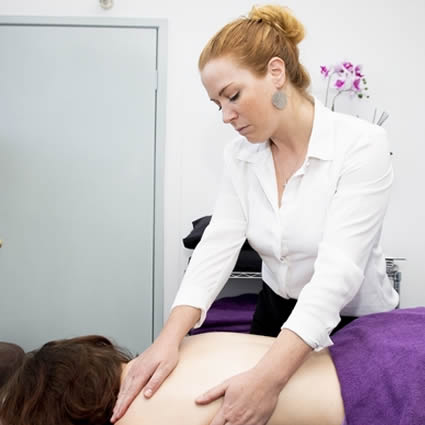
What Is Relaxation Massage?
Relaxation massage is a gentle, flowing style, often called Swedish massage, built around calm rather than problem-solving. Using long, smooth strokes and light to moderate pressure, it helps ease general tension and quiet a busy mind. There is no assessment and no deep digging; the whole point is simply to unwind.
If remedial and deep tissue work are about finding a problem and treating it, relaxation massage sits at the other end of the scale entirely. Its goal is not to hunt down knots or push into tight spots but to soothe the whole body with slow, rhythmic, flowing strokes. The pressure stays comfortable throughout, the pace never rushes, and there is no running commentary about what is tight and why. You are not a case to be solved; you are simply someone who has come in to rest.
The style is often called Swedish massage, and it is the treatment most people picture when they think of a classic, calming massage: warm room, quiet music, long sweeping strokes down the back and limbs, and a gradual sense of the day's tension loosening its grip. It is wonderfully undemanding. You do not need a sore spot, a diagnosis or a reason beyond wanting an hour to yourself, and you certainly do not need any experience of massage to enjoy it.
Part of what makes it work is the rhythm. Rather than the stop-start of a treatment that hunts from one tight spot to the next, relaxation massage keeps a steady, predictable flow, and that predictability is soothing in itself. The body relaxes most readily when it knows what is coming, so the long, repeating strokes give it nothing to brace against and every reason to let go. By the second half of a session most people have stopped tracking what the therapist is doing at all, which is exactly the point.
That said, relaxation and relief often travel together. Muscles that are constantly braced against stress tend to ease off when the nervous system finally settles, so people frequently climb off the table feeling not just calmer but physically looser too. We are careful not to dress that up as a medical treatment, because it is not one, but the simple experience of deep relaxation is valuable in its own right, and for a lot of people it is exactly what they have been missing.
It is worth saying who tends to book a relaxation massage, because it is a broader group than you might think. Some are simply run down after a punishing stretch at work and want an hour of nothing asked of them. Some find that stress has settled into their neck and shoulders and want it eased without a clinical fuss. Others book because a treatment they can predict and enjoy is a small kindness they do for themselves each month, no different from any other habit that keeps them ticking over. There is no wrong reason, and you never have to justify wanting to feel calm.
You should also know what relaxation massage is not, so nobody arrives with the wrong expectation. It is not a deep, corrective treatment, and it will not chase down a stubborn knot or work aggressively into a painful spot; that is what remedial and deep tissue sessions are for. If you come in with a genuine injury or a specific pain, we will happily say so and point you toward the treatment that actually suits, rather than delivering a gentle massage that was never going to address it. Relaxation massage is brilliant at what it does, precisely because it does not try to be everything.
Relaxation vs Remedial: Choosing the Right Session
People often ask which one they should book, and the honest answer is that it depends entirely on what you are after. They are genuinely different treatments with different goals, so it helps to be clear about what each is for before you choose.
Relaxation massage
- Goal is calm and comfort, not correction
- Slow, flowing strokes, light to moderate pressure
- No assessment, no deep digging into problem areas
- Ideal for stress, a busy mind and general tension
- Generally not claimable on private health extras
Remedial massage
- Goal is assessing and treating a specific issue
- Firmer, targeted techniques on the problem area
- Starts with a proper assessment of what is going on
- Ideal for a sore neck, tight back or a nagging niggle
- Usually claimable through HICAPS if you hold extras
The health-fund point is worth spelling out, because it surprises people. In Australia, private health rebates for massage generally apply to remedial massage delivered by a qualified therapist, not to relaxation massage, which is treated as a wellbeing service rather than a clinical one. So if claiming a rebate matters to you, remedial is the session to book, and the good news is that a skilled remedial treatment can still feel deeply relaxing. If you simply want to switch off and the rebate is not a factor, relaxation is perfect.
The pressure question is the other one people wonder about, and it is easy to settle. Relaxation massage is not the same as a light, barely-there touch that does nothing; it can be quite firm and thorough while still staying comfortable and calming. The difference from remedial work is intent, not just force: a relaxation therapist works with the body to soothe it rather than pressing into a specific problem to change it. If you like a decent amount of pressure and simply want it delivered in a flowing, unhurried way, relaxation massage handles that happily. If a spot really needs someone to get in and work on it, that is the moment remedial earns its keep.
There is a middle path many people settle on, too. Because our therapists are the same skilled professionals whether the session is booked as relaxation or remedial, you can lean the hour in either direction on the day. Some clients book a remedial session for the health-fund rebate and simply ask for it to be kept gentle and calming; others book relaxation but mention one grumpy spot they would like a little attention on. We are relaxed about all of it, so long as you tell us what you want, and the treatment is shaped around that rather than around the label on the booking.
If you are booking for someone else, or you are new to massage entirely, relaxation is almost always the safest and most enjoyable place to start. It asks nothing of you, carries none of the intensity some people worry about, and lets you get a feel for the room, the therapists and the whole experience without committing to anything more involved. Plenty of our regular remedial clients first came in for a relaxation session and simply never stopped.
In practice, do not agonise over the label. Tell us what you want from the hour, whether that is pure relaxation, relief for a particular ache, or a bit of both, and we will steer you to the right session. If you would like to read the differences laid out side by side before you decide, our remedial vs relaxation compared guide walks through it in plain language.
What a Relaxation Session Looks Like at Our Clinic
A relaxation session is simple and unhurried. You choose 60 or 90 minutes, settle onto a warm table in a quiet room, and the therapist works over the whole body with slow, flowing strokes at a pressure that suits you. There is nothing to prepare and nothing you need to do but relax.
We have kept the whole experience deliberately calm, from the quiet rooms to the unrushed pace. There is no lengthy paperwork or clinical questioning to wade through first; a relaxation booking is not an assessment, so we simply check whether there is anywhere you would like more or less attention, and anywhere to avoid, and then let you settle in. From there, the hour is yours.
Being part of an established clinic rather than a rushed high-street shopfront shapes the experience in ways that are easy to feel. The rooms are private and properly quiet, the tables are warm and comfortable, and there is free parking directly opposite, so the calm starts before you have even walked in rather than after you have hunted for a space. Little of that is dramatic on its own, but together it removes the small frictions that can keep you from switching off, and that is really the whole job of a relaxation session.
- Arrive, and let us know your preferences: pressure, any areas to focus on or skip, and whether you would rather have quiet or a little chat.
- Settle onto the warm massage table in a private, softly lit room, and take a few breaths while the therapist begins with slow, easing strokes.
- Relax through 60 or 90 minutes of flowing, full-body work, drifting off if you like, with the pressure staying comfortable the whole way through.
- Come back to the room gently at the end, take your time getting up, and leave feeling lighter, looser and a good deal calmer than you arrived.
The choice between 60 and 90 minutes is really about how much time you want in that calm state. Sixty minutes is plenty for a full-body session and suits most people comfortably; ninety minutes gives the therapist room to slow right down and spend a little longer on the areas that hold the most tension, and it is the one people tend to choose when they really want to disappear for a while. Neither is better than the other, and you can happily switch between them from one visit to the next depending on the kind of day you have had.
A few small comforts make the hour better, and they are worth knowing. Wear or bring loose, comfortable clothes for afterwards, allow a few minutes so you are not rushing in flustered, and drink a glass of water once you are done. Beyond that, there is nothing to organise and nothing to remember. The whole design of the session is to ask as little of you as possible, so that switching off is easy rather than one more thing to get right.
How Regular Relaxation Massage Helps Stress and Sleep
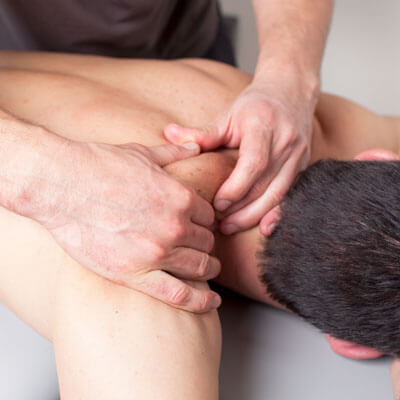
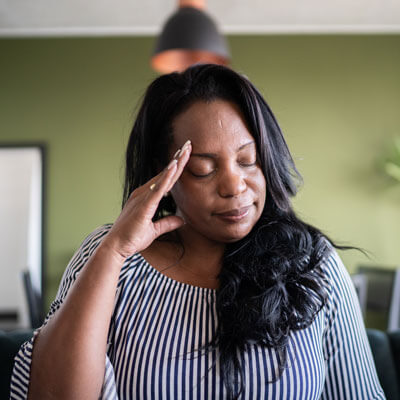
Many people find a regular relaxation massage helps them wind down, ease the physical tension that stress builds up, and sleep more soundly for a while afterwards. It is not a cure for anything, but as a simple, reliable way to switch off, a standing session earns its place for a lot of busy people.
Stress lives in the body as much as the mind. Shoulders creep up toward the ears, jaws clench, and the whole system stays quietly braced, which over time is tiring in a way that is hard to shake off. An hour of slow, calming massage gives the nervous system a clear signal that it is safe to stand down, and that shift, from wound-up to genuinely relaxed, is the real value of the treatment. Most people notice it most in the evening after a session, when winding down comes more easily than usual.
Sleep tends to follow relaxation, so it is no surprise that people often report resting better in the day or two after a massage. We would never promise a perfect night, because no massage can guarantee that, but as part of a sensible wind-down routine, a regular session is a pleasant and genuinely useful habit. Whether that means once a month as a reliable reset or something more frequent during a stretch of high pressure is entirely up to you, and we are happy to find a rhythm that fits your life rather than one that fills the diary.
There is a reason the effect can feel almost disproportionate to the treatment itself. Modern life keeps many of us in a low, constant state of alertness, with phones buzzing, lists growing and very few moments where nothing at all is required of us. A relaxation massage is one of the few settings designed entirely around the opposite state. Lying still, warm and undisturbed while someone works slowly and rhythmically is a strong cue for the body to shift gears, and for people who almost never get that cue, the contrast is striking.
How often to come is entirely a matter of what your life looks like. For some, an occasional session when things have been particularly relentless is exactly right. For others, a standing monthly booking becomes a small anchor in the calendar, a reliable point where they know they will get to stop. We are genuinely happy either way, and we would far rather you came in when it will actually help than felt any pressure to keep a rigid schedule. The best rhythm is simply the one you will keep, and the one that leaves you feeling better for it.
None of this replaces proper support for genuine stress, anxiety or sleep disorders, and we will always say so honestly; those belong with your GP or an appropriate health professional. What relaxation massage offers is more modest and still worthwhile: a dependable hour of calm in a life that rarely offers one unprompted.
Gift a Massage: Vouchers Available
A relaxation massage makes a genuinely lovely gift, for a tired parent, a stressed friend, a partner who never books anything for themselves, or a colleague who has earned a break. Our gift vouchers can be put toward a 60 or 90 minute relaxation session, and there is no fuss in redeeming them; the recipient simply books in and mentions the voucher. Unlike another candle or box of chocolates, it is a gift of time and calm, which is the thing most people quietly want and least often give themselves.
Vouchers can be purchased in the clinic or over the phone, and we are happy to help you choose an amount or a session length if you are not sure. It is a small, kind gesture that gives someone permission to do the one thing they never quite get around to: stop, lie down, and be looked after for an hour. They work beautifully for birthdays, for a new parent who could use an hour to themselves, or simply as a thank you to someone who does a great deal for everyone else and rarely stops for their own sake.
Call to Buy a VoucherWeston Creek Chiropractic Centre
Book an Hour to Yourself; Your Only Job Is to Relax
Choose a 60 or 90 minute relaxation session and let the week fall away. You can book online whenever it suits you, or reach the clinic team on (02) 6288 6711 and we will find a time, Saturdays included.
1/43 Brierly St, Weston ACT 2611 · free parking directly opposite the clinic